Considering dental implants to restore your smile? Before diving into this life-changing decision, it’s crucial to arm yourself with the right questions. This guide will delve into the key questions to ensure that you are fully informed about the procedure. Dental implants are a reliable option for many people, offering a stable and durable solution for missing teeth, but they’re not suitable for everyone.
We aim to provide an in-depth understanding, helping you make the best decision for your dental health.
1. What Are the Steps Involved in Getting a Dental Implant?
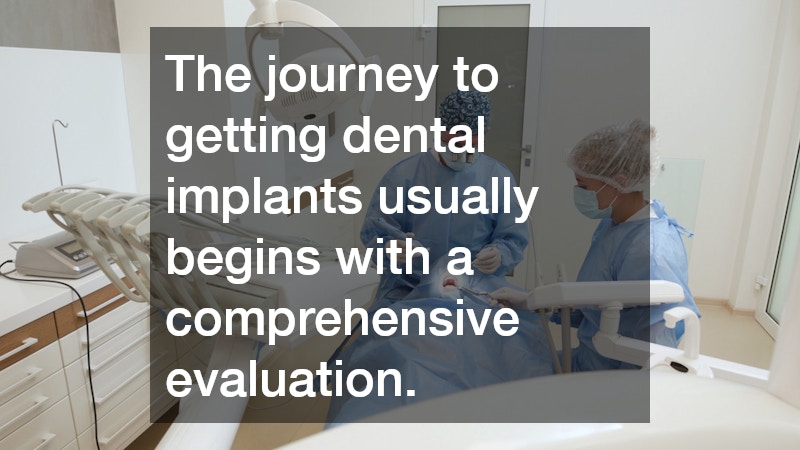
The journey to getting dental implants usually begins with a comprehensive evaluation. During this initial consultation, your dentist will assess your oral health, take dental images, and discuss your options. It’s important to understand that dental implants aren’t a one-size-fits-all solution; the process is highly individualized. Tailoring the procedure to your unique dental situation ensures that you get the best possible results. This careful planning phase can determine the success of your dental implants.
After the evaluation, the next step is the surgical procedure to place the implant into the jawbone. This procedure is generally done under local anesthesia, and various sedation options are available for patient comfort. The implant, a titanium post, acts as a tooth root and must integrate with the jawbone, a process known as osseointegration. Following surgery, a period of healing is necessary, during which the implant fuses with the bone. This foundational step is crucial for the long-term success of the dental implant.
Once osseointegration is complete, typically after a few months, the next stage involves placing an abutment, a connector that supports the prosthetic tooth. Your dentist will take impressions of your mouth to ensure that the custom crown fits perfectly. Final restoration involves placing the crown, and adjustments may be made to ensure a perfect bite and aesthetic appeal. The goal is to mimic the look and functionality of a natural tooth. It’s a procedure designed to last a lifetime with proper care and maintenance, offering you a permanent solution to tooth loss.
2. Are Dental Implants the Right Option for Me?
Determining your suitability for dental implants involves several key factors. First and foremost is your overall health, particularly your bone density, as sufficient bone must be present to support the implant. Another crucial consideration is your oral health; conditions such as gum disease can affect the procedure’s success. Your dentist will likely evaluate your history of tobacco use since smoking can negatively impact the healing process. These preliminary assessments are essential to ensure the procedure’s success and longevity.
Age is another factor to consider, as dental implants require a fully developed jawbone, making them usually more appropriate for adults. Older adults are not exempt from candidacy, provided they have adequate bone density and overall good health. But it also requires commitment to oral hygiene post-procedure to prevent infections. Another consideration for candidates is their comfort with surgery and post-operative care requirements. Any potential surgical candidate must be ready to embrace the necessary follow-up care and maintenance.
Ultimately, the candidacy extends beyond physical factors; expectations and lifestyle should also align with the treatment plan. Those who prioritize function, aesthetics, and long-term dental health might find implants to be a prudent investment. It’s advisable to have a candid conversation with your dentist about your goals and lifestyle considerations. Understanding the benefits and responsibilities of attending dental implants can better prepare candidates for the transformative impact that follows the procedure. A comprehensive consultation is the first step towards determining if dental implants are indeed the right fit for you.
3. What Is the Expected Cost and Recovery Time?
The cost of dental implants can vary widely, depending on numerous factors including the number of teeth involved, the need for additional procedures like bone grafts, and the dentist’s experience. While dental implants are more expensive than other tooth replacement options initially, their longevity often provides greater value over time. It’s essential to factor in long-term benefits such as durability and reduced maintenance costs compared to alternative methods. Some insurance plans may cover part of the cost, while dental offices might offer financing options. Discussing financial aspects with your dentist will help you anticipate expenses and explore available coverage options.
Recovery time is another critical factor to consider when planning for dental implants. The initial healing phase after the implant placement typically requires a few days of rest and following prescribed care instructions. Osseointegration, however, takes several months, during which patients must consume a soft diet and maintain strict oral hygiene. Factors like bone quality and health can influence healing time, and adhering to post-operative care instructions is crucial for successful integration. As healing progresses, patients can gradually return to their normal activities, always mindful of maintaining the health of their implants.
Asking the right questions can set your dental implant journey up for success, ensuring you are prepared for what lies ahead. By understanding the procedure, assessing candidacy, and being aware of the costs and recovery, you can make an informed decision. The process, while complex, offers promising results for restoring function and aesthetics to your smile. Each step of the journey requires careful consideration and expert guidance. Remember, being thorough in planning and asking questions is as vital as the procedure itself, securing a path towards a brighter dental future.