A community health network is made up of many interconnected services that support the physical, emotional, and environmental well-being of individuals and families. Understanding these layers helps people recognize where to turn when they need help, whether it is preventive care, urgent treatment, specialized support, or ongoing wellness resources. The strength of a community health network comes not only from the variety of services offered but also from how effectively they work together to address different needs at different stages of life. When people know what is available to them, they are better equipped to make informed choices about their health and to seek support before problems escalate.
A well-functioning health network improves outcomes by making care more accessible, more coordinated, and more responsive. It ensures that everyday needs, such as routine checkups or diagnostic testing, are supported just as effectively as emergency situations or long-term care challenges. Each layer of care plays a distinct role. Preventive services help maintain wellness, urgent medical providers assist with immediate concerns, mental health specialists offer emotional support, and environmental or safety-related services protect families from harmful conditions. When all these components are understood and utilized, communities become healthier and more resilient.
Exploring Preventive and Routine Dental Care
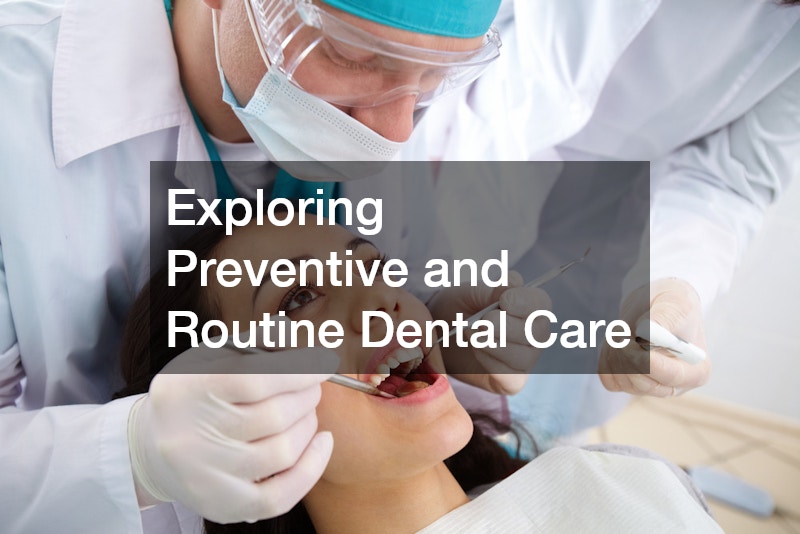
Preventive and routine dental care forms the foundation of long-term oral and overall health. Regular checkups, screenings, cleanings, and early interventions help individuals maintain strong teeth, healthy gums, and a confident smile. These visits are essential because they allow dental professionals to identify decay, infection, or disease before symptoms become severe. Preventive care not only protects oral health but also supports general wellness, since many systemic conditions show early signs in the mouth. When individuals stay consistent with routine dental appointments, they reduce the likelihood of major procedures and enjoy a higher quality of daily life.
More specifically, maintaining an ongoing relationship with a local dentist helps ensure continuity of care and a personalized understanding of each patient’s oral health history. This familiarity allows the provider to detect subtle changes over time and recommend preventive strategies tailored to the patient’s lifestyle and risk factors. Consistent care also makes dental visits more comfortable, as patients benefit from a familiar environment and trusted provider.
Supporting Children’s Oral Health Through Specialized Services
Children’s oral health requires a specialized approach that supports growth, development, and comfort during dental visits. Early dental experiences strongly influence how children feel about healthcare throughout their lives, which is why a supportive environment is essential. Preventive care during childhood helps address age-specific issues such as tooth eruption patterns, early decay, bite alignment, and hygiene habits. When children receive care from providers trained to meet their needs, they are more likely to feel confident, adopt healthy routines, and develop positive associations with oral care as they grow.
More specifically, a pediatric dentist uses techniques and tools tailored to children’s developmental stages, helping create a calm and approachable experience. Their specialized training enables them to identify issues early, apply protective treatments such as sealants or fluoride, and communicate in ways that reduce fear and build trust. A specialist also helps parents understand best practices for brushing, nutrition, and preventive care at home.
Accessing Primary and Urgent Medical Care
Primary and urgent medical care serve as two essential components of a community’s healthcare network. Primary care offers ongoing, preventive, and relationship-based support, helping individuals manage long-term health needs, monitor chronic conditions, and receive guidance before problems escalate. Urgent care, on the other hand, fills the gap when unexpected illnesses or injuries occur that require timely attention but do not rise to the level of an emergency. Together, these services make healthcare more accessible, reduce strain on emergency departments, and ensure that individuals can receive the right level of care at the right time. When communities understand how to use these services effectively, they can navigate health challenges with greater confidence and efficiency.
More specifically, an urgent care clinic provides a critical option for individuals who need prompt attention for conditions such as minor fractures, infections, sprains, fevers, and other sudden concerns. These clinics offer extended hours, walk-in availability, and a broad range of diagnostic tools that make them an ideal choice for time-sensitive but non-life-threatening issues. By offering convenient access to medical professionals without long waits, urgent care clinics help reduce anxiety and improve health outcomes for patients who may not be able to see their primary provider immediately.
Understanding When Emergency Services Are Needed
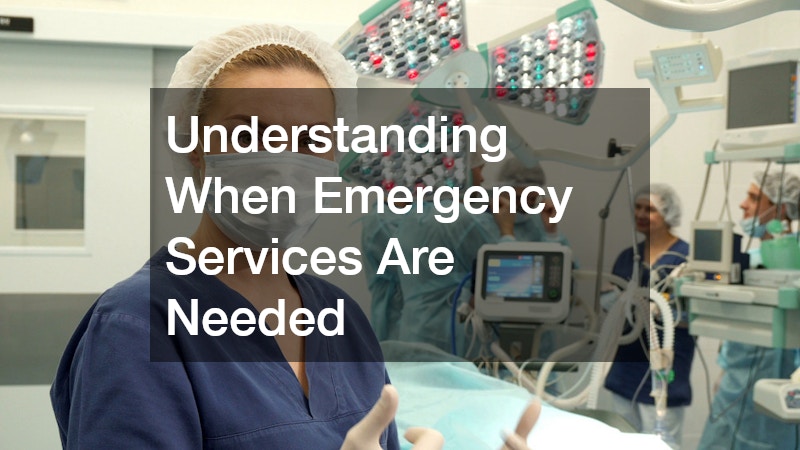
Emergency medical care is a vital part of any community health network because it provides immediate attention for life-threatening or rapidly worsening conditions. While many health concerns can be managed through primary care or urgent care, some situations require specialized resources and rapid response to prevent severe complications or even save a life. Understanding the difference between urgent and emergency situations helps individuals seek the right level of care quickly and appropriately. Recognizing the signs of a true emergency ensures that people receive the timely intervention necessary to protect their health and safety.
More specifically, emergency services are essential when conditions such as chest pain, difficulty breathing, severe bleeding, loss of consciousness, or major injuries occur. These services are equipped with advanced diagnostic tools, highly trained medical personnel, and critical care resources that are not available in standard clinics. When someone arrives at an emergency facility, staff are prepared to assess, stabilize, and treat the condition immediately. Knowing when to seek emergency services allows individuals and families to act decisively during critical moments, ensuring that the right level of expertise is accessed without delay.
Improving Diagnostic Accuracy Through Advanced Testing
Accurate diagnostic testing is a cornerstone of effective healthcare, enabling providers to understand the underlying causes of symptoms, rule out potential conditions, and guide appropriate treatment plans. Diagnostic tools have advanced significantly, offering more precise and comfortable options for patients. Advanced imaging and testing allow providers to detect issues earlier, monitor chronic conditions with greater accuracy, and reduce the likelihood of misdiagnosis. When individuals have access to reliable diagnostic resources, they experience more efficient care and greater peace of mind.
More specifically, an upright mri test provides an innovative alternative to traditional imaging methods, particularly for patients who struggle with enclosed spaces or need imaging performed in weight-bearing positions. This type of MRI allows individuals to stand, sit, or recline during the scan, offering a more natural positioning that can reveal issues not visible in standard horizontal MRIs. It is especially beneficial for evaluating spinal conditions, joint problems, or other structural concerns that change under the body’s weight.
Addressing Mental Health With Compassionate Support
Mental health is an essential part of overall well-being, and communities benefit greatly when supportive, accessible services are available to help individuals navigate emotional, psychological, and relational challenges. Compassionate mental health care allows people to address stress, anxiety, depression, trauma, or major life transitions with professional guidance. When individuals receive help early, they are better able to build coping strategies, improve communication, and prevent small concerns from becoming more serious issues. Mental health support plays a key role in creating healthier families, stronger relationships, and more resilient communities.
More specifically, counseling provides individuals with a structured and supportive environment where they can discuss concerns openly and receive personalized strategies for managing their emotional well-being. Professional counselors are trained to help clients understand underlying patterns, explore solutions, and develop healthier responses to difficult situations. Counseling also plays an important role in connecting individuals to additional resources when needed, strengthening the overall network of care.
Managing Foot and Mobility Concerns Through Specialized Care
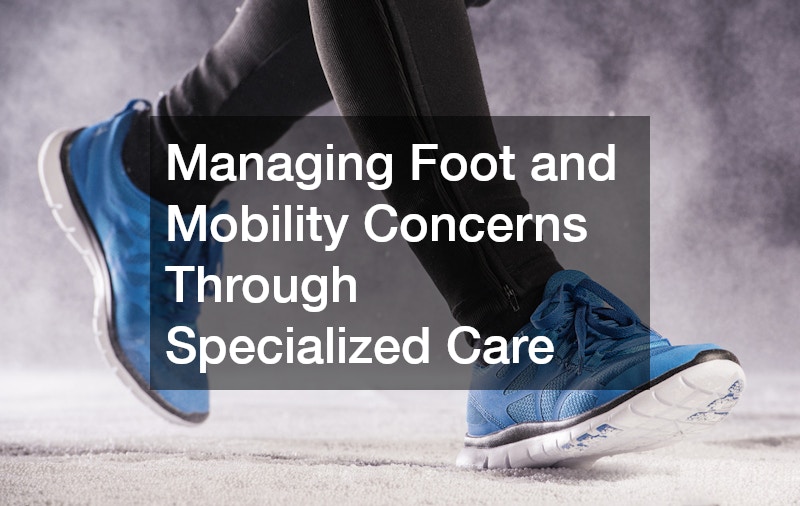
Foot and mobility health significantly influence a person’s ability to stay active, independent, and physically comfortable. Many individuals experience chronic foot pain, balance problems, or mobility limitations that make daily activities more challenging. Specialized foot care helps identify the underlying causes of discomfort, such as structural issues, inflammation, or past injuries. Early intervention and proper treatment can prevent further complications and allow individuals to maintain healthy movement patterns throughout their lives. Addressing mobility concerns is an important part of creating a strong foundation for overall wellness.
More specifically, podiatrists specialize in diagnosing and treating conditions that affect the feet and lower limbs. These professionals provide targeted care for problems such as plantar fasciitis, bunions, ingrown toenails, nerve-related pain, and gait abnormalities. Their expertise allows them to develop personalized treatment plans that may include orthotics, therapeutic exercises, or medical procedures.
Restoring Health and Safety After Environmental Damage
Environmental issues within a home or workplace can pose serious risks to both physical health and emotional well-being. Problems such as mold growth, water damage, or contaminated surfaces often develop quietly and worsen over time, eventually affecting indoor air quality and creating unsafe conditions. Addressing environmental damage quickly is essential for preventing long-term health concerns, structural deterioration, and additional expenses. Restoring a safe and healthy living environment helps protect families from potential respiratory issues, allergic reactions, or harmful bacterial growth.
More specifically, a water re mediation service plays an essential role in identifying, mitigating, and repairing the effects of water-related damage. These professionals use specialized equipment to remove moisture, prevent mold growth, sanitize affected areas, and restore structural integrity. Their expertise allows them to quickly stabilize the environment and reduce the likelihood of lingering health hazards.
Resolving Disputes Through Community-Based Mediation
Conflict is a natural part of life, but unresolved disputes can create stress, disrupt relationships, and negatively affect overall well-being. Communities benefit greatly from having accessible, structured methods for resolving disagreements in a peaceful and productive manner. Mediation offers a collaborative approach that encourages open communication, mutual understanding, and cooperative problem-solving. It allows individuals to address disagreements in a controlled environment where both parties feel heard, respected, and guided by a neutral facilitator. This process not only reduces tension but also helps prevent conflicts from escalating into more serious legal or interpersonal issues.
More specifically, mediation provides a practical alternative to litigation by helping people work toward voluntary, mutually agreed-upon solutions. A trained mediator guides the discussion, clarifies concerns, and helps participants identify common ground. This approach empowers individuals to take an active role in resolving their own disputes while also preserving relationships whenever possible. Because mediation focuses on communication and understanding rather than winners and losers, it supports emotional well-being and strengthens communication skills.
Building a Comprehensive Network for Whole-Person Wellness
A strong community health system relies on a wide range of services that address physical, emotional, and preventive needs. Whole-person wellness acknowledges that individuals require different types of support throughout their lives, from routine checkups to specialized care. When people understand the full range of available services, they can make informed decisions that promote long-term health. This integrated approach improves access to care, strengthens communication among providers, and ensures that individuals receive coordinated support across different areas of their health journey. Communities become stronger when residents know where to turn for the right kind of help.
More specifically, working with a trusted dentist can serve as a foundational part of whole-person wellness, since oral health is closely connected to many aspects of overall health. Dentists often detect early signs of systemic issues and provide preventive care that reduces long-term risks. Routine dental visits also promote confidence, reduce discomfort, and support daily functioning. When individuals include dental care as part of their broader wellness plan, they reinforce a more complete and proactive approach to maintaining lifelong health.
A community health network is most effective when people understand how its many layers work together to support lifelong well-being. Each component plays a valuable role, from preventive care and urgent medical services to mental health support, environmental restoration, specialized diagnostic testing, and dispute resolution. By recognizing the purpose of each service, individuals can make more confident and informed decisions about their health needs. This awareness also encourages earlier intervention, strengthens relationships with care providers, and reduces the stress that often accompanies navigating unfamiliar systems.
When residents take advantage of the resources available within their community, they build healthier habits, access care more efficiently, and feel more secure during unexpected challenges. A strong network empowers individuals to manage their well-being proactively rather than reactively. It brings together the medical, emotional, environmental, and interpersonal aspects of health, creating a more resilient community overall.