Understanding the signs of air duct problems can help in maintaining optimal indoor air quality and system efficiency. Often, homeowners are unaware of the intricacies associated with their HVAC systems, missing vital cues that indicate air duct issues. In this article, we’ll explore the most common symptoms indicating potential issues with your air ducts. Timely identification can prevent costly repairs and ensure that your home’s heating, ventilation, and air conditioning (HVAC) system runs smoothly. Keep reading to recognize how these symptoms can impact your daily comfort and finances.
How can poor airflow indicate problems with air ducts?
Poor airflow is one of the common symptoms of air duct problems that might point to issues such as blockages, leaks, or even improper installation of air ducts. When air ducts are blocked, air cannot flow freely through the system, resulting in uneven temperatures and discomfort in living spaces. This blockage could be due to accumulated debris, dust, or even pests making a home in your ductwork. Routinely checking and cleaning air ducts can mitigate these obstructions, ensuring that air travels efficiently through your HVAC system. Therefore, noticing a difference in airflow is a prompt to investigate further.
Leaks within ductwork can also contribute to decreased airflow, causing conditioned air to escape before reaching its intended destination. These leaks might arise from physical damage, corrosion over time, or poor installation practices. As air escapes through these gaps, the overall heating or cooling within a home suffers, prompting the system to work harder to achieve the desired temperature. This not only exacerbates energy loss but also increases wear and tear on the system, leading to potential breakdowns. Sealing leaks promptly can restore exceptional air circulation and maintain energy efficiency.
The installation of air ducts plays a crucial role in airflow efficiency, as improper design or alignment can cause significant restrictions. Ideally, air ducts should have a minimal number of bends and turns to facilitate smooth airflow. Unfortunately, poorly installed systems with sharp angles or excessive length can significantly hamper performance. Consulting with HVAC professionals when installing or remodeling ductwork ensures that systems are set up for optimal efficiency. Regular maintenance further helps in detecting and addressing these installation issues early.
What causes unusual noises in air ducts?
Unusual noises in air ducts can be a symptom of various problems, including loose components, thermal expansion and contraction, or improper insulation. Rattling or banging sounds often point towards screws or fasteners that have come loose within the system. Such disturbances require immediate attention as they may indicate a risk of more significant structural issues that could escalate if left unresolved. A routine check-up ensures that all components are secure, minimizing noise and preventing future repairs. Consequently, addressing mechanical noises can safeguard system longevity.
Another source of annoying duct noise is thermal expansion and contraction, a phenomenon where materials expand and contract due to temperature fluctuations. This can create popping or creaking sounds within the ductwork, particularly in metal systems. Although pervasive, these noises are usually harmless, yet persistent sounds can indicate potential stress points in the system, leading to cracks or corrosion over time. Insulating ducts helps reduce these noises and maintain a consistent system temperature. Regular inspection ensures that these issues do not evolve into more significant problems.
Inadequate or improper insulation is another frequent contributor to noise emanating from duct systems. Poor insulation can lead to increased noise as air flows through the ducts, exacerbating any mechanical sounds present. Additionally, it may lead to efficiency losses, as insulated systems help maintain the desired indoor temperature without excessive energy consumption. Investing in high-quality, appropriate insulation can thus enhance comfort and quiet throughout the home. Addressing insulation issues is a proactive step in noise reduction and optimizing HVAC performance.
Why is there an increase in energy bills due to air duct issues?
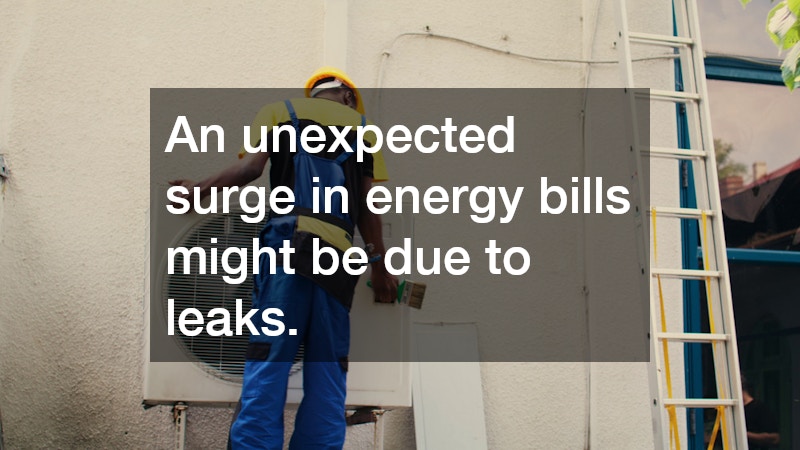
An unexpected surge in energy bills might be due to leaks or damage in the air ducts, causing the HVAC system to work harder, reducing its efficiency. When air escapes through leak points, the system compensates by consuming more energy to regulate the indoor climate. This inefficiency is not only financially draining but can also contribute to increased carbon footprints, making it detrimental to environmental sustainability. Regular maintenance and timely repairs can prevent these issues, conserving energy and reducing expenses. Thus, tracking monthly energy usage for significant variances is advisable to identify potential ductwork problems.
Beyond physical leaks, failing or inefficient duct insulation can allow temperature transference, undermining the system’s capacity to heat or cool efficiently. Inadequate insulation can lead to loss of conditioned air, burdening the HVAC system and accruing higher utility bills. Insulating ductwork appropriately maintains the intended temperature, reducing energy consumption. Subsequently, this ensures that homes remain comfortable throughout the seasons without experiencing energy wastage. Homeowners should assess and enhance insulation to safeguard their system’s efficiency.
Recognizing these common symptoms can ensure timely maintenance and prevention of more severe air duct problems, leading to a healthier living environment and enhanced energy efficiency. Proactively addressing airflow impediments, noise disturbances, and energy fluctuations creates a comfortable home environment and fosters sustainability. By identifying and mitigating air duct issues early, homeowners can avoid costly repairs while benefiting from improved air quality and climate control. Ensuring regular inspections and consultations with HVAC specialists will allow homeowners to resolve issues effectively and efficiently. Therefore, understanding these implications empowers individuals to maintain optimal home systems.