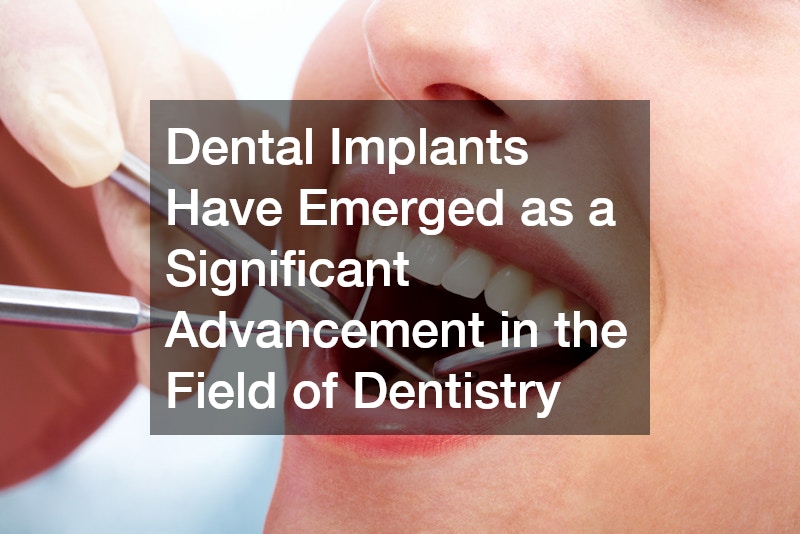
Dental implants have emerged as a significant advancement in the field of dentistry, offering a reliable solution for replacing missing teeth. Unlike dentures and bridges, dental implants provide a more permanent fix, closely mimicking the look and feel of natural teeth. As their popularity grows, it becomes increasingly important for individuals to understand both the benefits and potential drawbacks of opting for dental implants.
Comprehending the process involved in getting dental implants and assessing the associated costs will empower individuals to make informed decisions about their dental health.
For many, the idea of undergoing a dental implant procedure may appear daunting, but being informed can alleviate apprehensions. By understanding the surgical process, healing time, and integration with the jawbone, potential candidates can anticipate the journey ahead. Additionally, recognizing the long-term benefits and risks puts individuals in a position to weigh options thoroughly, ensuring both oral health and personal comfort are prioritized.
Ultimately, dental implants represent an investment in one’s quality of life, restoring not just smiles but also self-confidence and functionality in daily activities. Given the permanent nature of dental implants, making well-informed decisions is essential. This article serves as a comprehensive guide to every aspect of dental implants, providing the necessary knowledge to navigate this significant dental decision effectively.
How Do Dental Implants Work?
Dental implants work by serving as artificial tooth roots, which are then topped with permanent or removable artificial teeth, constructed to blend seamlessly with natural teeth. These implants are often made from titanium, a material known for its strength and biocompatibility, which minimizes the risk of rejection by the body. The success of dental implants hinges on osseointegration, a process where the implant fuses with the jawbone, providing a durable anchor for the artificial teeth.
The installation of dental implants is a multistep procedure, beginning with a thorough evaluation of the candidate’s oral health. Initial assessments typically include X-rays and 3D imaging to evaluate bone structure and determine the proper placement for the implants. The information gathered during this preparatory phase is crucial for creating a personalized treatment plan that ensures optimal results.
The process culminates in the surgical placement of the implant, followed by a period of healing that allows for osseointegration to occur. This phase, which can last several months, is critical as it determines the long-term success of the implants. Once the integration is complete, a custom-made crown is attached to the implant, completing the restoration and enabling individuals to regain full function and aesthetic appeal of their teeth.
Understanding the Implant Process
The implant process is both intricate and tailored to each patient. It begins with the development of a treatment plan by a team of professionals, often consisting of oral surgeons, periodontists, and restorative dentists. This collaborative approach ensures all aspects of the patient’s oral health are considered, facilitating a successful intervention.
During the surgical phase, the dentist places the implant into the jawbone beneath the gum. This is a precise procedure requiring local anesthesia to numb the area and is performed in an outpatient setting. Post-surgery, patients may experience minor discomfort, swelling, or bruising, which is managed with prescribed medications and aftercare instructions provided by the dental care team.
The subsequent healing period is an important part of the process, requiring patience and adherence to prescribed oral hygiene practices. Regular follow-up visits are scheduled to monitor the integration of the implant with the jawbone. This careful observation helps prevent complications, ensuring the implant successfully becomes a stable part of the oral anatomy.
Integration with Jawbone
Osseointegration is the hallmark of a successful dental implant procedure, referring to the direct structural and functional connection between the living bone and the surface of the implant. This biological process is pivotal because it provides the stability that allows dental implants to function like natural teeth. The process can take several months, during which the patient must follow specific care guidelines to facilitate proper healing.
The advantages of successful osseointegration include the prevention of bone loss, which is a common consequence of missing teeth. As the implant stimulates the jawbone, similar to a natural tooth, it helps in maintaining bone density and structure, which are crucial for overall oral health. This benefit is particularly significant as it distinguishes dental implants from other restorative options that do not offer the same level of bone interaction.
While osseointegration is vital for the success of dental implants, not all cases proceed smoothly. Factors such as the patient’s general health, bone quality, and adherence to post-operative care instructions can impact the effectiveness of this process. However, with advancements in dental procedures and materials, the likelihood of achieving successful integration has increased significantly, making implants a reliable choice for many individuals seeking dental restoration.
Dental implants provide a superior solution for individuals seeking to replace missing teeth, offering unmatched benefits in terms of function, aesthetics, and oral health. Through a detailed exploration of how implants work, their advantages and potential complications, and the associated costs, individuals can make informed choices that best suit their needs and circumstances.
Understanding the comprehensive nature of the implant process, from initial evaluation to final restoration and beyond, allows potential candidates to enter this journey with confidence and clarity. The enduring value of dental implants as a long-term investment in one’s quality of life is significant, surpassing temporary solutions in both durability and satisfaction.
Ultimately, by navigating the complexities of dental implant procedures with the aid of skilled professionals and seeking financial options that make these life-changing procedures accessible, individuals can achieve lasting, positive impacts on their oral health and overall well-being.