Long-term sobriety is rarely achieved through willpower alone. Substance use disorders affect both the brain and behavior, making professional support an essential part of sustainable recovery. An addiction treatment center provides the structured environment, clinical expertise, and ongoing resources needed to help individuals move beyond short-term abstinence and build a stable, sober life. By addressing the physical, psychological, and emotional aspects of addiction, these centers play a critical role in supporting lasting recovery.
Creating a Structured and Supportive Environment
One of the most immediate benefits of entering an addiction treatment center is structure. Addiction often thrives in chaos, inconsistency, and isolation. Treatment centers replace these patterns with daily routines, accountability, and supervision. This structured setting reduces exposure to triggers while helping individuals reestablish healthy habits such as regular sleep, balanced nutrition, and consistent self-care.
The supportive environment also fosters a sense of safety. Many people entering treatment feel overwhelmed, ashamed, or fearful about the recovery process. Being surrounded by trained professionals and peers with shared experiences creates a space where individuals can focus on healing without judgment. This emotional safety is a key foundation for long-term sobriety.
Medical and Clinical Support for Lasting Change
Addiction is a medical condition, and effective treatment requires professional care. An addiction treatment center offers access to licensed clinicians, medical providers, and therapists who understand the complexities of substance use disorders. For many individuals, treatment begins with medically supervised detoxification to manage withdrawal symptoms safely and reduce health risks.
Beyond detox, clinical care continues through evidence-based therapies that address the root causes of addiction. Conditions such as anxiety, depression, trauma, or chronic stress often contribute to substance use. By treating these co-occurring issues, an addiction treatment center helps reduce the likelihood of relapse and supports more stable emotional health over time.
Individualized Treatment Planning
No two recovery journeys are the same. Long-term sobriety is more achievable when treatment is tailored to the individual rather than applying a one-size-fits-all approach. A reputable addiction treatment center develops personalized treatment plans based on a thorough assessment of each person’s history, substance use patterns, mental health needs, and personal goals.
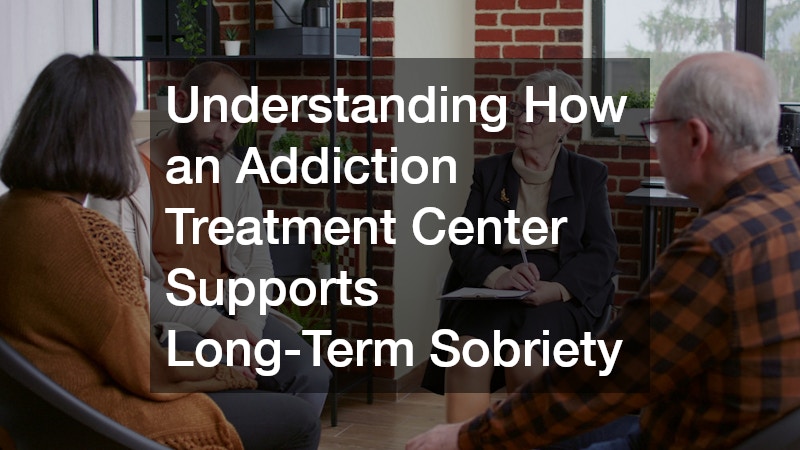
Individual therapy allows patients to explore underlying issues and develop healthier coping strategies. Group therapy encourages connection, accountability, and shared learning, while family involvement helps repair relationships and strengthen support systems. This comprehensive and customized approach ensures that individuals receive the specific tools they need to maintain sobriety beyond treatment.
Teaching Practical Coping and Life Skills
Sustaining sobriety requires more than avoiding substances. Individuals must learn how to manage stress, navigate relationships, and handle everyday challenges without turning to drugs or alcohol. An addiction treatment center focuses heavily on skill development to prepare patients for real-world situations.
Patients learn to identify triggers, manage cravings, and respond effectively to high-risk scenarios. Communication skills, emotional regulation, and problem-solving techniques are reinforced throughout treatment. By practicing these skills in a supportive setting, individuals gain confidence in their ability to maintain sobriety once they return to their daily lives.
Building Accountability and Peer Support
Accountability is another crucial element of long-term recovery. In treatment, individuals are encouraged to take responsibility for their actions while receiving consistent feedback from clinicians and peers. This accountability helps reinforce commitment to sobriety and personal growth.
Peer support is equally powerful. Connecting with others who understand the challenges of addiction reduces feelings of isolation and shame. Group therapy sessions and shared activities help individuals recognize that recovery is possible and that setbacks can be addressed constructively. These connections often extend beyond treatment, providing ongoing encouragement and motivation.
Preparing for Life After Treatment
Long-term sobriety depends heavily on what happens after formal treatment ends. An addiction treatment center prioritizes aftercare planning to ensure individuals are not left without support. This may include referrals to outpatient programs, continued counseling, support groups, or sober living arrangements.
Relapse prevention planning is a major focus during this phase. Patients work with their care team to identify warning signs, develop response strategies, and establish healthy routines. Having a clear plan in place increases confidence and reduces the likelihood of returning to substance use during stressful or uncertain times.
Supporting Long-Term Recovery and Growth
Recovery is not a single event but an ongoing process. An addiction treatment center helps individuals understand that sobriety involves continual growth, self-awareness, and support. Many centers encourage participation in alumni programs or ongoing recovery communities to maintain connection and accountability.
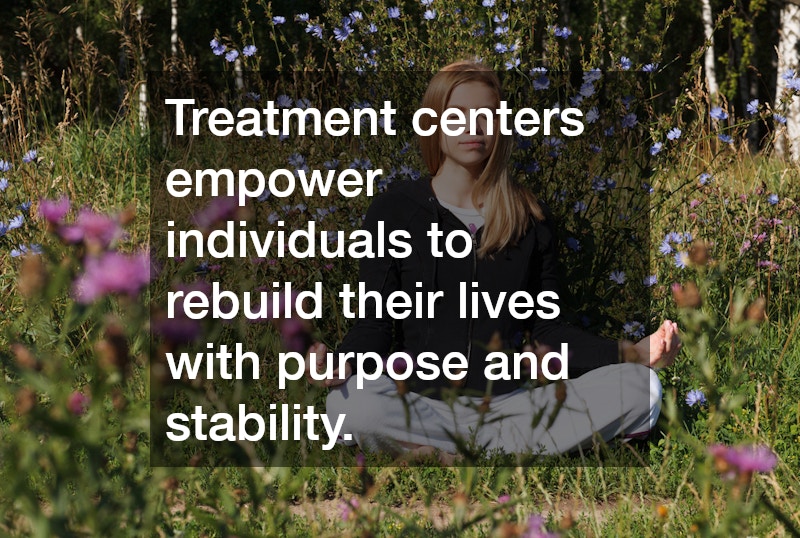
By addressing the whole person rather than just the substance use, treatment centers empower individuals to rebuild their lives with purpose and stability. Through structure, professional care, skill-building, and long-term support, an addiction treatment center provides the foundation needed for lasting sobriety and a healthier future.