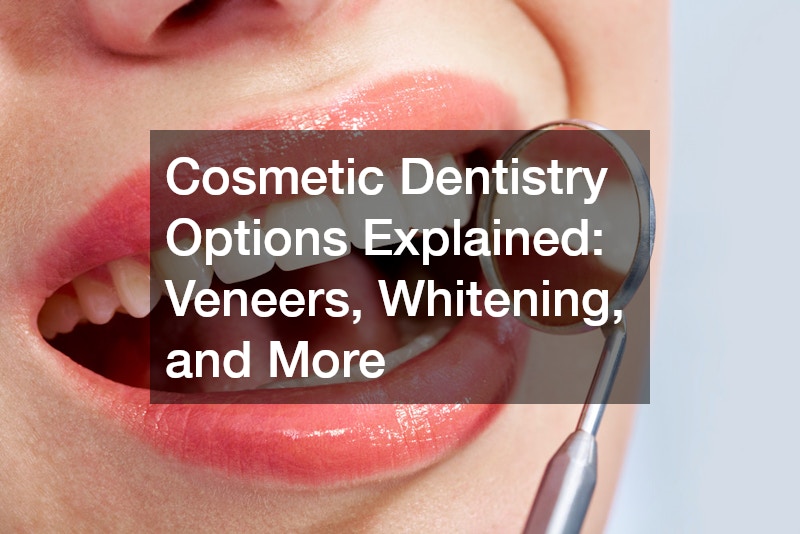
For enhancing one’s smile and overall oral aesthetics, cosmetic dentistry is a popular practice. The array of available treatments can address diverse dental concerns, helping individuals achieve the appearance they desire.
From simple teeth whitening to intricate procedures like veneers, cosmetic dentistry offers a solution for everyone. Emphasizing both aesthetic appeal and oral health, these advancements cater to personal and clinical requirements.
In this article, we delve into popular cosmetic dentistry options, providing insights into their benefits, techniques, and effectiveness. Understanding these options can help patients make informed decisions about their dental care.
What are the benefits of dental veneers?
Veneers are ultra-thin shells custom-designed to cover the front surface of teeth, typically made of porcelain or composite resin. They address a variety of cosmetic complaints, including misalignments, discoloration, and chips.
The veneer application process involves bonding these shells permanently to the teeth, effectively enhancing their color, shape, and alignment. Their natural appearance and customization options make them a popular choice for those seeking a flawless smile.
Porcelain veneers are particularly favored for their stain resistance and ability to mimic the light-reflecting properties of natural teeth. This ensures long-lasting results that maintain their brilliance over time.
Dental veneers boast several benefits, notably improving a person’s smile with minimal alterations to their natural teeth. They are durable, offering a robust solution to permanently enhance dental appearances.
In addition to aesthetic enhancement, veneers also offer a protective layer to damaged teeth, potentially reducing the need for more invasive treatments. This can be particularly beneficial for patients with weakened enamel or significant discoloration.
The versatility of veneers allows them to address multiple aesthetic issues concurrently, streamlining the cosmetic enhancement process. This combined effect often results in a newfound confidence for those undergoing the procedure.
How does teeth whitening work, and is it effective?
Teeth whitening is a widely sought cosmetic procedure that aims to lighten the natural shade of the teeth. In-office treatments, such as laser whitening, provide quick, noticeable results, thanks to concentrated bleaching agents used by dental professionals.
For those preferring to whiten their teeth at home, options include bleaching kits that come with custom or generic trays. These kits offer a convenient, albeit slower, approach to achieving brighter teeth.
Whitening toothpaste and strips are also available, allowing for gradual whitening through daily use. While these may not achieve the dramatic results of professional treatments, they can maintain brightness after a primary whitening session.
The effectiveness of teeth whitening varies depending on the method used and the individual’s lifestyle habits. Professional in-office treatments typically provide the most immediate and significant changes.
While at-home and over-the-counter methods might take longer to show results, they are effective in maintaining and enhancing whiteness with consistent use. However, the longevity of whitening effects also depends on factors like diet, smoking, and oral hygiene.
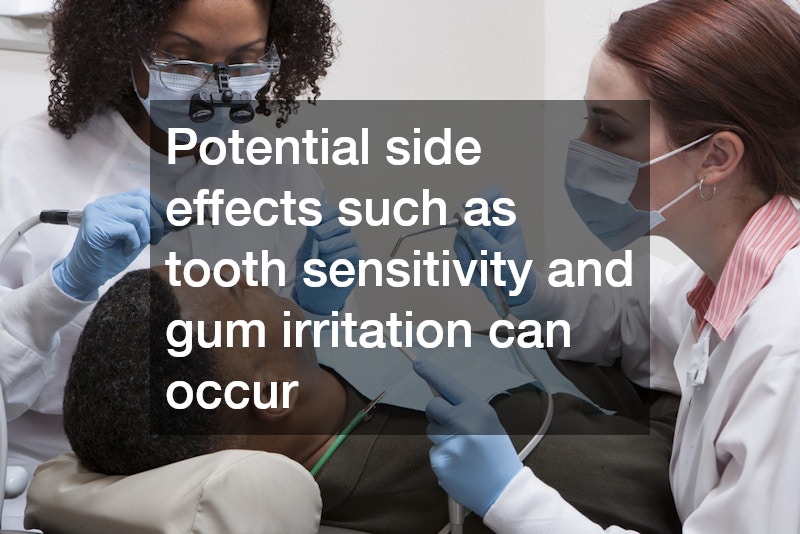
Potential side effects such as tooth sensitivity and gum irritation can occur, particularly with stronger bleaching agents. Choosing the right treatment under professional guidance is crucial to minimizing discomfort while achieving desired results.
Are there alternatives to traditional cosmetic dentistry procedures?
For those seeking less invasive alternatives to veneers and whitening, other cosmetic procedures like bonding and contouring offer viable solutions. Dental bonding uses tooth-colored resin to repair chipped or slightly misaligned teeth.
Contouring, also known as enameloplasty, involves reshaping the teeth by removing small amounts of enamel to alter tooth shape or length. Both of these procedures are relatively quick and can be completed in a single visit.
Non-traditional methods like these are cost-effective and require less alteration of natural teeth, appealing to those who prefer a more conservative approach. Choosing the right option depends significantly on an individual’s specific cosmetic needs and aesthetic goals.
While non-traditional cosmetic procedures generally have lower costs compared to veneers and implants, they may offer less dramatic results. Nonetheless, they still provide substantial improvements in dental aesthetics.
The limitations of treatments like bonding include potential staining and less durability compared to veneers. However, they still serve as an excellent option for short-term enhancements or for addressing minor imperfections.
Patients are encouraged to consult with dental professionals to weigh the benefits and limitations of each option, ensuring choices align with both their aesthetic desires and oral health needs.
The variety of cosmetic dentistry options available today offers numerous pathways to a brighter, more appealing smile. Procedures such as veneers and teeth whitening have become quintessential for those striving for aesthetic excellence.
Alternative options like bonding and contouring provide additional flexibility, catering to those seeking less invasive methods without compromising their aesthetic aspirations. A tailored approach suited to individual needs can yield the most satisfying results.
Overall, cosmetic dentistry continues to enhance smiles and boost confidence, underscoring the transformative power of a healthy, beautiful smile. Consulting with a qualified dentist is the first step toward exploring these rejuvenating options.