Reaching midlife often comes with a sudden, jarring realization: the body simply does not bounce back the way it used to. You might find that your energy dips by mid-afternoon, your knees and lower back carry a persistent dull ache, and the reflection in the mirror looks a bit more tired than the vibrant person you feel like on the inside. These feelings are completely valid and incredibly common. Aging is a biological reality, but the rate at which we age and the quality of our daily lives are highly malleable.
The misconception is that fixing these issues requires a piecemeal approach—a random supplement here, a new face cream there, or a fad diet you found on the internet. True rejuvenation, however, requires a holistic, 360-degree approach. It is about bridging the gap between how your body functions internally, how it moves physically, and how it presents externally.
This comprehensive guide is designed to be your roadmap for the second half of life. We will bypass the fluff and dive deep into actionable, science-backed strategies to overhaul your well-being. From auditing your sleep and optimizing your endocrine system to rehabilitating old injuries and refreshing your skin and smile, this is your blueprint for complete midlife rejuvenation.

Assess Your Baseline Energy and Rebalance Your Endocrine System
Chronic exhaustion in your 40s and 50s is frequently dismissed as “just getting older.” While aging does change our physiological baseline, waking up exhausted, experiencing severe brain fog, or losing muscle mass rapidly is not something you simply have to accept. The first step to total rejuvenation is looking under the hood at your endocrine system, which acts as the control center for your hormones.
Before assuming you have a medical deficiency, you must conduct a ruthless audit of your daily habits. Cortisol, your body’s primary stress hormone, can wreak havoc on your other hormones if it remains chronically elevated due to poor sleep or high anxiety.
Actionable Steps for Internal Optimization:
-
Prioritize Sleep Hygiene: Your body synthesizes the majority of its restorative hormones during deep, slow-wave sleep. Ensure your bedroom is completely dark, keep the temperature around 65 to 68 degrees Fahrenheit, and eliminate screen time at least an hour before bed.
-
Request a Comprehensive Metabolic Panel: Stop guessing what your body needs. Ask your primary care physician for a full blood panel. This should include checking your Vitamin D levels, B12, a full thyroid panel (TSH, Free T3, Free T4), and lipid markers.
-
Check Sex Hormones: Both men and women experience significant drops in estrogen, progesterone, and testosterone during midlife. For men dealing with unexplained fatigue, weight gain, and loss of libido, requesting a low testosterone exam is a critical diagnostic step. This test measures both total and free testosterone to determine if your body is producing enough to sustain your physical and mental energy.
-
Explore Medical Intervention When Necessary: Lifestyle changes like diet and sleep are foundational, but sometimes the biological decline requires medical support. If your lab results show clinical deficiencies, it may be time to consult an endocrinologist. They can help you determine if carefully monitored hormone replacement therapy is a safe and viable option to restore your baseline vitality, protect bone density, and improve cardiovascular health.

Erase Nagging Joint Pain and Fix Decades of Bad Posture
By the time we reach midlife, our musculoskeletal system carries the physical receipt of decades of living. Years spent hunched over laptops, carrying children, or playing weekend sports without proper recovery compound into chronic joint pain, rounded shoulders, and a stiff lower back. You cannot embrace a vibrant second half of life if it hurts to get out of bed.
The biggest mistake people make in midlife is trying to stretch away structural imbalances or relying heavily on over-the-counter pain medication to mask the symptoms. True rehabilitation requires a biomechanical reset.
Actionable Steps for Musculoskeletal Health:
-
Audit Your Ergonomics: Look at your daily environment. Is your computer monitor at eye level? Does your desk chair support your lumbar spine? Are your walking shoes providing adequate arch support? Fixing the environmental causes of poor posture is half the battle.
-
Stop Guessing with Generic Exercises: While yoga and generic stretching routines are wonderful for general mobility, they can sometimes exacerbate specific joint impingements. Instead of self-diagnosing, book a thorough evaluation with a licensed physical therapist. These experts are trained to identify muscle compensations, weak stabilizers, and joint restrictions, creating a targeted roadmap to correct your specific kinetic chain issues.
-
Vet Your Rehabilitation Facility: Not all clinics are created equal. When searching for local physical therapy rehabs, look for facilities that prioritize one-on-one time with a specialist and emphasize active movement and load management, rather than just putting you on a passive heating pad and leaving the room.
-
Commit to Daily Mobility: Once you have a prescribed routine, consistency is key. Dedicate 10 to 15 minutes every morning to your specific mobility drills. Focus on opening up the thoracic spine, stretching tight hip flexors, and activating dormant glute muscles.

Utilize Modern Modalities to Heal Cellular Inflammation
Inflammation is the underlying driver of both aging and chronic pain. While acute inflammation is a necessary part of the body’s healing process (like when you sprain an ankle), chronic, systemic inflammation breaks down healthy tissue, slows down recovery, and leaves you feeling constantly sore and sluggish.
Rejuvenation requires shifting your focus from purely passive rest to active, cellular-level recovery. Modern technology has provided us with tools that were once exclusively available to professional athletes but are now accessible to anyone looking to optimize their physical health.
Actionable Steps for Managing Inflammation:
-
Adopt an Anti-Inflammatory Diet: The food you consume either fights inflammation or fuels it. Limit highly processed foods, refined sugars, and industrial seed oils. Increase your intake of omega-3 fatty acids (found in wild-caught salmon and chia seeds), antioxidant-rich berries, and potent anti-inflammatory spices like turmeric and ginger.
-
Prioritize Deep Hydration: As we age, our body’s ability to retain moisture decreases. Dehydrated fascia (the connective tissue surrounding your muscles) becomes stiff and prone to injury. Aim to drink half your body weight in ounces of water daily, and consider adding electrolyte powders if you sweat heavily.
-
Leverage Advanced Healing Technologies: If you are struggling with stubborn tendonitis, arthritis, or slow-healing injuries, explore non-invasive clinical modalities. For example, clinical applications of targeted light therapy, specifically cold laser therapy, can penetrate deep into injured tissues. This process, known as photobiomodulation, stimulates cellular energy production (ATP), reduces localized swelling, and accelerates the repair of damaged ligaments and tendons without the use of pharmaceuticals.
-
Embrace Contrast Therapy: Incorporating deliberate cold exposure (like cold plunges or cold showers) followed by heat therapy (like an infrared sauna) exercises your vascular system. This “pump” helps flush metabolic waste from your muscles and drastically reduces systemic inflammation.
Reverse Sun Damage and Rebuild Cellular Collagen
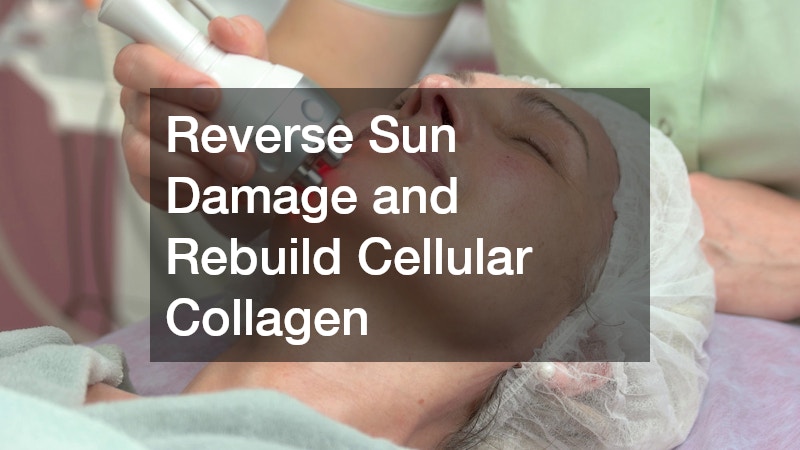
The skin is our largest organ, and it bears the brunt of environmental damage. By the time you reach your 40s and 50s, the cellular turnover rate of your skin has slowed dramatically. Collagen and elastin—the structural proteins that keep skin firm and bouncy—decline rapidly, leading to fine lines, loss of volume, and a dull complexion. Furthermore, decades of incidental sun exposure begin to surface as hyperpigmentation and age spots.
Addressing skin aging requires a two-pronged approach: optimizing your daily at-home routine and utilizing professional treatments to stimulate deep structural remodeling.
Actionable Steps for Skin Rejuvenation:
-
Establish a Non-Negotiable Daily Routine: Throw away the abrasive physical scrubs. Your morning routine should consist of a gentle cleanser, a potent Vitamin C serum to fight free radicals, a rich moisturizer, and a broad-spectrum SPF 30+ (applied rain or shine). Your evening routine should focus on repair, utilizing a prescription-strength retinoid or over-the-counter retinol to stimulate cellular turnover.
-
Invest in Deep Resurfacing: Daily skincare can only penetrate so far. To remove the buildup of dead skin cells and clear congested pores, professional exfoliation is necessary. Booking a multi-step HydraFacial treatment is an excellent way to gently vortex away impurities while simultaneously infusing the deeper dermal layers with concentrated antioxidants, peptides, and hyaluronic acid for immediate, visible plumping.
-
Stimulate Structural Proteins: Topical creams cannot fix skin laxity or sagging jowls. To address the loss of firmness, you need therapies that safely heat the deeper layers of the dermis to trigger the body’s natural wound-healing response. Researching a non-surgical skin tightening treatment—such as those utilizing radiofrequency energy or micro-focused ultrasound—can gradually rebuild your collagen matrix over several months, resulting in a firmer, more lifted appearance.
-
Don’t Neglect the Neck and Hands: These areas are often overlooked but are the fastest to show signs of aging. Extend your serums, moisturizers, and sunscreens down to your chest and the backs of your hands daily.

Target Stubborn Metabolic Fat Deposits That Dieting Ignores
Midlife weight management can be incredibly frustrating. You might be eating the exact same diet and doing the exact same workouts you did in your 30s, but the scale creeps up, and your body composition shifts. This is largely due to a slowing basal metabolic rate (BMR) and hormonal fluctuations that change where your body prefers to store fat.
The candid reality is that you cannot out-train a bad diet, and endless hours of steady-state cardio will not yield the toned physique you are looking for. Rejuvenating your body composition requires a strategic shift toward building metabolic currency: muscle.
Actionable Steps for Body Composition:
-
Pivot to Resistance Training: Muscle tissue is highly metabolically active. The more muscle you have, the more calories you burn at rest. Shift your exercise focus to lifting weights 3 to 4 times a week. Focus on compound movements like squats, deadlifts, pushes, and pulls to build functional strength and protect your bone density.
-
Prioritize Protein Intake: As we age, our bodies become less efficient at synthesizing protein into muscle tissue (a concept known as anabolic resistance). To counteract this, you need to increase your protein intake. Aim for roughly 0.8 to 1 gram of protein per pound of your ideal body weight, spread evenly throughout the day.
-
Manage Insulin Sensitivity: Midlife bodies often become less efficient at processing carbohydrates. Focus on whole-food, complex carbohydrates and pair them with fiber, protein, and healthy fats to prevent severe blood sugar spikes and crashes, which trigger fat storage.
-
Address Diet-Resistant Fat: Even with pristine nutrition and rigorous weightlifting, hormonal shifts can cause fat to pool in stubborn areas, such as the lower abdomen, flanks, or under the chin. Once you are close to your goal weight, you might consider clinical options to refine your silhouette. Researching non-invasive local body contouring treatments, such as cryolipolysis (fat freezing) or targeted laser fat reduction, can help permanently destroy small pockets of fat cells that refuse to budge through diet and exercise alone.
Correct Structural Shifts in Your Bite and Whiten Your Enamel
When discussing anti-aging and rejuvenation, the smile is frequently overlooked, yet it is one of the most prominent indicators of health and youth. As we age, our dental arch naturally narrows, causing teeth to crowd and overlap. Furthermore, decades of consuming coffee, tea, and acidic foods erode the bright, white enamel, exposing the naturally yellower dentin underneath.
A worn, crowded, or heavily stained smile can subconsciously add years to your overall appearance. More importantly, structural shifts in your bite can lead to uneven wear on your teeth, jaw pain (TMJ), and an increased risk of periodontal disease due to the difficulty of cleaning tightly crowded teeth.
Actionable Steps for Oral Rejuvenation:
-
Upgrade Your Daily Oral Hygiene: A manual toothbrush and occasional flossing are no longer sufficient. Invest in a high-quality sonic electric toothbrush and a water flosser. Use a remineralizing toothpaste containing fluoride or nano-hydroxyapatite to strengthen weakened enamel and reduce sensitivity.
-
Address Restorative Aesthetics: Old, deteriorating metal fillings can expand and crack your teeth, while worn-down edges can make your smile look flat and aged. Schedule a comprehensive consultation with experienced cosmetic dentists to discuss replacing old dental work with color-matched composite materials, repairing chipped edges, or safely undergoing professional, clinical-grade teeth whitening to lift deep intrinsic stains.
-
Correct Your Bite Alignment: Crooked teeth are not just an aesthetic issue; they are a functional one. A misaligned bite causes premature wear and tear on your teeth. If you notice your bottom teeth crowding or your bite shifting, seek out an expert Invisalign dentist. Clear aligner therapy is a discreet, highly effective way for adults to widen their dental arch, straighten their teeth, and restore a youthful, structurally sound bite without the hassle of traditional metal braces.
-
Protect Your Investment: If you clench or grind your teeth at night—a common response to high stress—ask your dentist to fabricate a custom-fit night guard. This simple piece of acrylic will protect your enamel from micro-fractures and preserve your restorative dental work for decades.
Transforming how you feel and look in midlife is entirely within your control, but it requires intention, consistency, and a willingness to invest in yourself. You do not need to tackle every single one of these physical, internal, and aesthetic goals by tomorrow morning. Overwhelming yourself will only lead to burnout.
Instead, treat this guide as a long-term roadmap. Start by picking just one internal goal—like scheduling your comprehensive bloodwork—and one external goal—like auditing your daily movement or upgrading your skincare routine—for the next 90 days. Focus on establishing small, sustainable habits that compound over time. Midlife is not a closing chapter; it is an opportunity to rebuild a stronger, healthier, and more confident version of yourself.