
Modern healthcare is no longer about isolated treatments or single-discipline solutions. Today, the most effective approach to improving long-term wellness involves coordination between multiple specialists who each contribute a unique perspective on the body’s function, recovery process, and overall health trajectory. When patients receive care that is connected rather than fragmented, outcomes tend to improve across mobility, pain management, prevention, and quality of life.
This approach is especially important for individuals dealing with chronic discomfort, post-injury recovery, age-related changes, or complex conditions that affect multiple body systems. Instead of focusing on a single symptom, integrated care looks at the whole person—how movement, lifestyle, structure, and even preventive strategies work together.
In the following sections, we will explore how different areas of healthcare expertise contribute to a more complete and effective wellness strategy. Each discipline plays a role in restoring function, improving comfort, and supporting long-term health goals through coordinated, patient-centered care.
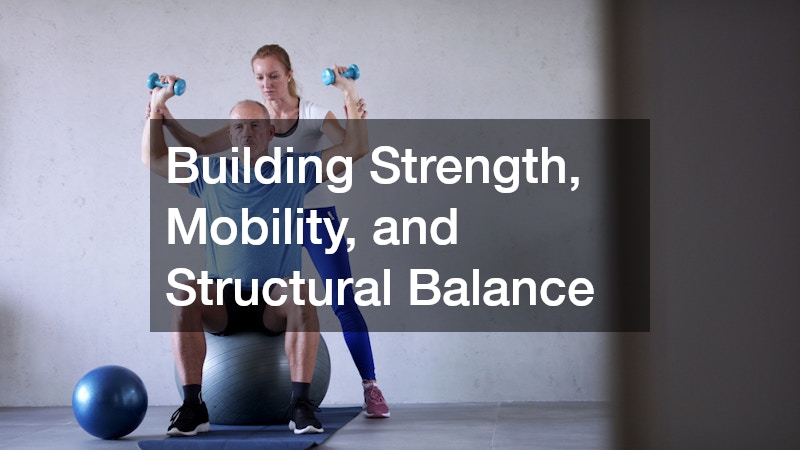
Building Strength, Mobility, and Structural Balance
Identifying the root causes of pain and dysfunction
Many people first seek care when pain begins to interfere with daily life. However, discomfort is often a symptom of a deeper issue such as misalignment, muscle imbalance, or repetitive strain. Understanding the underlying cause is essential for creating an effective treatment plan.
A structured evaluation may include:
- Posture and movement analysis
- Range-of-motion testing
- Lifestyle and activity review
- Assessment of injury history
By examining these factors together, providers can develop a clearer picture of what is driving pain and reduced mobility.
A chiropractor often plays a key role in this stage of care. By focusing on spinal alignment and joint function, they help restore balance to the musculoskeletal system. This can reduce nerve irritation, improve movement efficiency, and support the body’s natural healing processes.
Restoring function through guided rehabilitation
Once structural issues are identified, rebuilding strength and stability becomes the next priority. This is where rehabilitation strategies are essential for long-term recovery rather than short-term symptom relief.
A physical therapy program is typically designed around individualized goals, such as improving mobility after injury, restoring strength after surgery, or reducing chronic pain through targeted exercise.
Key components of an effective rehabilitation plan include:
- Progressive strengthening exercises
- Stretching routines to improve flexibility
- Balance and coordination training
- Manual therapy techniques when needed
- Education on posture and movement habits
Patients who actively participate in their rehabilitation often experience better long-term outcomes because they learn how to prevent reinjury and maintain improvements over time.
Together, structural assessment and rehabilitation create a strong foundation for sustainable physical health.
Strengthening Core Function and Internal Stability

Understanding hidden contributors to discomfort and dysfunction
Not all physical health issues are visible or immediately obvious. Some involve internal muscle systems that play a critical role in stability, posture, and bodily control. When these systems are weakened or disrupted, individuals may experience discomfort, reduced performance, or ongoing functional challenges.
These issues are often underdiagnosed because symptoms may appear gradually or be mistaken for unrelated conditions.
Rebuilding internal support systems through targeted care
A pelvic floor therapy approach focuses on strengthening and restoring the muscles that support the pelvic region. These muscles are essential for core stability, bladder control, posture, and overall movement efficiency.
This type of therapy is often used for individuals experiencing:
- Postpartum recovery challenges
- Core instability or weakness
- Chronic pelvic discomfort
- Balance and posture issues
A structured program may include:
- Guided muscle activation exercises
- Breathing and relaxation techniques
- Biofeedback training for muscle awareness
- Gradual strength-building routines
Patients often report improvements not only in physical function but also in confidence and daily comfort. Addressing these deeper stability systems can have a wide-ranging impact on overall wellness and mobility.
Advanced Approaches for Pain Relief and Tissue Recovery

Moving beyond traditional pain management strategies
Chronic pain and soft tissue injuries can be difficult to treat with conventional methods alone. In some cases, patients require more advanced techniques that stimulate healing at the cellular level or target persistent inflammation.
Before selecting any advanced treatment, it is important to evaluate:
- Duration and severity of symptoms
- Response to previous therapies
- Underlying tissue damage
- Overall health status
This ensures that care is both safe and appropriately targeted.
Supporting regeneration and recovery through modern techniques
Two emerging approaches in regenerative care include shockwave treatments and softwave tissue regeneration. These therapies are designed to stimulate the body’s natural healing response in damaged tissues.
Shockwave-based methods often use acoustic energy to:
- Increase blood circulation
- Break down calcified tissue
- Stimulate cellular repair mechanisms
- Reduce chronic inflammation
Meanwhile, softwave-based approaches focus on activating regenerative pathways at a deeper tissue level, encouraging repair and reducing pain over time.
When used appropriately, these therapies may help:
- Accelerate healing of chronic injuries
- Improve mobility in affected areas
- Reduce reliance on long-term pain medication
- Enhance overall tissue recovery outcomes
These advanced options are typically most effective when combined with rehabilitation and lifestyle modifications, rather than used in isolation.
Enhancing Appearance and Confidence Through Medical Aesthetics
Understanding goals and setting realistic expectations
Aesthetic treatments are often pursued not only for appearance but also for confidence and emotional well-being. However, it is important to approach these options with realistic expectations and a clear understanding of outcomes.
Before undergoing any procedure, individuals should consider:
- Desired results and limitations
- Recovery time and aftercare requirements
- Long-term maintenance needs
- Potential risks and benefits
Clear communication with providers helps ensure that treatment plans align with personal goals.
Comparing non-surgical and surgical enhancement options
Non-invasive and surgical approaches both play important roles in aesthetic medicine, but they differ significantly in method, recovery, and longevity of results.
botox services are commonly used to reduce the appearance of fine lines and dynamic wrinkles by temporarily relaxing targeted facial muscles. This option is typically quick, minimally invasive, and requires little downtime.
In contrast, face lift surgery is a more extensive procedure that addresses deeper structural changes in facial tissues. It is often chosen for more significant signs of aging and provides longer-lasting results.
Key differences include:
- Recovery time: minimal vs. extended
- Invasiveness: injection vs. surgical procedure
- Duration of results: temporary vs. long-term
- Level of correction: subtle refinement vs. structural change
Both approaches can be part of a broader plan for aesthetic wellness depending on individual needs.
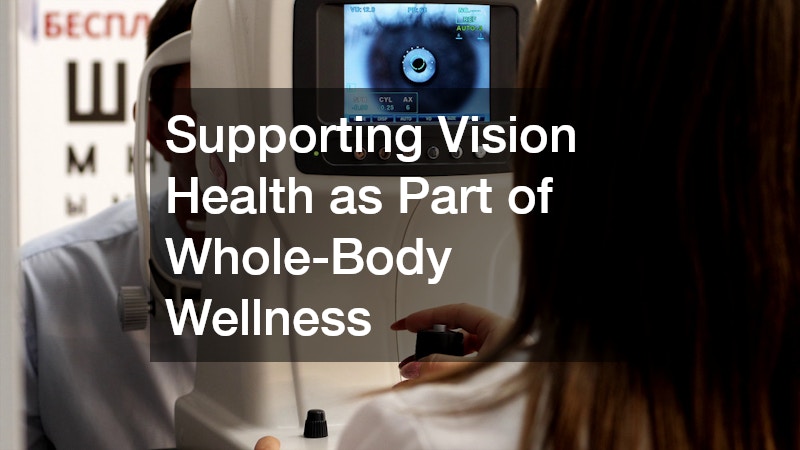
Supporting Vision Health as Part of Whole-Body Wellness
Recognizing the importance of routine vision care
Vision plays a critical role in nearly every aspect of daily life, from mobility and coordination to productivity, learning, and safety. Despite this, eye health is often overlooked until problems become noticeable enough to interfere with daily functioning. By that point, some conditions may already be progressing, making early prevention and consistent monitoring especially important for long-term outcomes. Taking a proactive approach to vision care helps maintain independence and overall quality of life.
Maintaining healthy vision involves:
- Regular monitoring of visual acuity
- Early detection of eye diseases
- Managing screen time and digital strain
- Protecting eyes from environmental stressors
- Wearing appropriate corrective lenses when prescribed
- Maintaining proper lighting during reading and computer use
- Taking breaks during extended near-work activities
Small daily habits can significantly reduce eye fatigue and help preserve visual clarity over time. Prevention is often more effective than treatment once vision problems have progressed.
Professional evaluation and long-term eye care planning
Routine visits to an optometrist are essential for maintaining eye health and detecting issues early. These professionals assess vision changes, prescribe corrective lenses when needed, and monitor overall eye function over time. Regular checkups also help establish a baseline for eye health, making it easier to identify subtle changes that may indicate developing concerns.
Comprehensive eye care services may include:
- Vision testing and prescription updates
- Screening for glaucoma and cataracts
- Dry eye evaluation and treatment
- Guidance on visual ergonomics
- Retinal imaging and pressure testing when needed
- Assessment of eye strain related to digital device use
- Recommendations for protective eyewear based on lifestyle needs
Preventive eye care helps preserve long-term vision quality and reduces the risk of more serious complications developing unnoticed. It also supports better performance in daily activities that rely heavily on visual accuracy, such as driving, reading, and working on digital devices.
Improving Access and Organization in Healthcare Management
Streamlining healthcare access and documentation
One of the biggest challenges patients face is managing the administrative side of healthcare. Keeping track of documentation, eligibility, referrals, and service access can quickly become overwhelming, especially when multiple providers are involved in a care plan. This complexity often leads to missed appointments, delayed treatments, or confusion about what services are covered and when they can be used. Strong organization systems can significantly reduce these issues and create a smoother experience for patients navigating the healthcare system.
Clear organization helps ensure:
- Faster access to care
- Fewer delays in treatment
- Better coordination between providers
- Improved insurance or benefit utilization
- Reduced risk of missing required paperwork or authorizations
- More efficient communication between administrative staff and clinical teams
- Greater patient confidence when navigating appointments and referrals
When these systems are in place, patients spend less time managing logistics and more time focusing on recovery and wellness. Providers also benefit from having accurate and complete information available at the point of care, which supports better decision-making and reduces administrative errors.
Understanding healthcare identification and eligibility tools
Medical cards often play an important role in simplifying access to healthcare services. They help verify eligibility, streamline appointment scheduling, and ensure patients receive appropriate coverage for approved treatments. In many cases, they also reduce the need for repeated verification steps, which can slow down access to care and create unnecessary administrative friction.
Benefits of proper healthcare documentation include:
- Easier scheduling with providers
- Reduced administrative delays
- Clearer communication between healthcare systems
- Improved continuity of care
- Faster verification of benefits and coverage
- More accurate billing and claims processing
- Better coordination when multiple specialists are involved
When patients stay organized and maintain up-to-date documentation, they are more likely to receive timely and effective treatment across multiple disciplines. This not only improves immediate access to care but also supports long-term health outcomes by ensuring that every stage of treatment is properly connected and documented.
Creating a Unified Approach to Patient-Centered Care
Encouraging communication between healthcare providers
Effective healthcare depends on communication. When specialists share information and collaborate, patients benefit from a more complete and coordinated treatment experience. This type of teamwork helps reduce gaps in care, ensures that no important details are missed, and supports more accurate decision-making across all stages of treatment. It also allows providers to better understand how different interventions may be interacting with one another in real time.
Best practices include:
- Sharing diagnostic results across providers
- Coordinating treatment timelines
- Aligning rehabilitation and medical plans
- Updating progress notes regularly
- Maintaining clear referral pathways between specialists
- Using shared digital health records when available
- Scheduling interdisciplinary case reviews for complex conditions
This reduces duplication of effort and ensures that all providers are working toward the same goals. It also minimizes the risk of conflicting recommendations and helps patients feel more supported and informed throughout their care journey. When communication is consistent, treatment becomes more efficient and outcomes are often more predictable.
Focusing on long-term tracking and adaptability
Healthcare is not static; patient needs change over time. Monitoring progress allows providers to adjust treatment plans based on results and evolving conditions. This ongoing evaluation is especially important for patients managing chronic conditions, recovering from injury, or undergoing multi-step treatment plans that require coordination between multiple specialists.
Key strategies include:
- Regular follow-up assessments
- Outcome tracking and documentation
- Adjusting therapies based on response
- Encouraging patient feedback
- Reviewing long-term health trends rather than short-term changes
- Setting measurable recovery milestones
- Reassessing goals at each stage of care
A flexible, responsive approach leads to better long-term outcomes and improved patient satisfaction. It also empowers patients to take an active role in their care, creating a stronger partnership between individuals and their healthcare providers.
Integrated healthcare represents a shift toward more thoughtful, coordinated, and effective treatment strategies. By combining expertise across multiple disciplines, patients gain access to more comprehensive care that addresses not only symptoms but also underlying causes and long-term wellness goals.
When providers collaborate and patients actively engage in their care plans, outcomes improve in meaningful ways—supporting mobility, comfort, confidence, and overall quality of life.