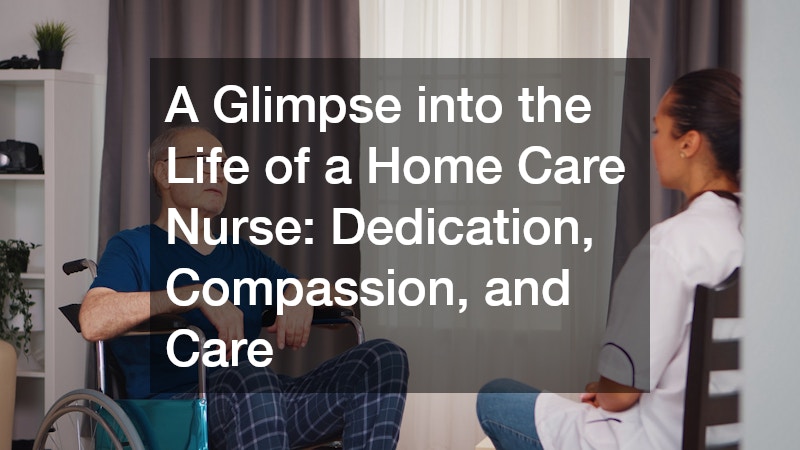
Home care nursing is an essential part of healthcare, providing medical and emotional support to patients at home. It combines knowledge and compassion for personalized care. Home care nurses bridge clinical treatment with the comfort of home, allowing care without needing a hospital.
This role demands dedication, flexibility, and empathy, making it rewarding yet challenging.
What is the Role of a Home Care Nurse?
Daily Responsibilities
Home care nurses handle diverse tasks tailored to each patient, including administering medication, monitoring vital signs, and providing health education. They offer interventions like wound care or physical therapy, requiring attention and compassion.
Essential Skills and Qualifications
Proficiency in home care nursing requires a nursing degree and skills like patience, empathy, and communication. Quick assessment and response are critical. Specialized certifications may also be necessary.
Typical Work Environments
Home care nurses work in varied environments, from urban apartments to rural homes, requiring adaptability. Familiar settings aid recovery but require sensitivity to privacy and family dynamics.
Collaborative Teamwork with Other Healthcare Professionals
Home care nurses work with a healthcare team, including doctors and therapists, for comprehensive care plans. Collaboration ensures holistic patient care.
Impact of Home Care Nursing on Patient Health
Home care nursing can reduce patient stress and anxiety, promoting healing and better outcomes. Nurses provide physical and emotional support, crucial for recovery and quality of life improvement.
Why is Compassion Critical in Home Care Nursing?
Building Trusting Relationships with Patients
Compassion builds trust between nurses and patients, encouraging them to share concerns. Trust involves communication, empathy, and reliability, fostering a supportive environment.
Providing Emotional Support
Emotional support is fundamental, helping patients cope with illness. Nurses offer empathy and understanding, crucial for resilience and enhanced patient experience.
Understanding Patients’ Unique Needs
Understanding unique patient needs is vital. Nurses consider medical, cultural, and personal preferences for personalized care and patient satisfaction.
Enhancing Patient Comfort at Home
Nurses make home medical routines seamless and comforting, integrating care into daily life. They address both physical and emotional needs for patient engagement.
Fostering a Healing Environment
Nurses transform homes into healing spaces with cleanliness and stress-free atmospheres. Compassionate care fosters safety and recovery.
How Does a Home Care Nurse Adapt to Challenges?
Handling Emergencies with Calm and Precision
Nurses must act calmly and decisively in emergencies, assessing situations and implementing interventions efficiently.
Navigating Diverse Patient Conditions and Cases
Nurses adapt to diverse patient conditions using a broad knowledge base, tailoring care across scenarios like chronic illnesses or acute episodes.
Overcoming Communication Barriers
Effective communication strategies overcome barriers like language or hearing impairments, ensuring accurate information exchange.
Managing Time Effectively
Nurses manage time with strategic planning for multiple visits, ensuring prompt patient care without burnout.
Dealing with Emotional and Physical Stress
Managing stress through techniques like exercise and meditation helps nurses maintain personal well-being and provide quality care.
What are the Rewards and Challenges of Being a Home Care Nurse?
Personal Fulfillment and Job Satisfaction
Seeing positive patient changes brings fulfillment and satisfaction. Building connections and witnessing improvements are key motivators.
Creating a Positive Difference in Patients’ Lives
Nurses enhance patient quality of life through personalized care, directly impacting recovery and comfort.
Challenging Work Schedules
The job’s schedule can be demanding, requiring adaptability, but it also offers opportunities for skill enhancement.
Emotional Attachment with Patients
Emotional connections with patients are rewarding but challenging, emphasizing the need for professional boundaries.
Professional Growth and Learning Opportunities
The role offers growth through diverse cases, specialization, and continued learning, enhancing expertise.
How Can One Become a Home Care Nurse?
Educational Pathways and Training
A nursing degree and passing the NCLEX-RN exam are essential. Training focuses on patient-centered care for effective home nursing.
Certification and Licensing
Certification validates nursing competence. Specializations in geriatrics or pediatrics broaden practice scope.
Gaining Relevant Experience
Clinical experience is invaluable for handling diverse patients. Exposure to varied conditions prepares nurses for home care.
Networking and Career Advancement
Networking opens job opportunities and enriches professional development for improved patient care.
Staying Updated with Continuing Education
Ongoing education ensures nurses remain informed and proficient, embracing lifelong learning for exceptional care.
The life of a home care nurse, though challenging, offers significant personal and professional rewards. Home care nursing embodies compassionate, skilled healthcare delivery with a profound impact on lives.