Maintaining good health and recovering from an illness, injury, or other challenge often involves more than a single appointment. Different stages of life can bring different needs, from routine healthcare and preventive screenings to rehabilitation, dental care, mental health support, and wellness services. Knowing what options exist can make it easier to seek appropriate help at the right time.
A proactive approach also allows people to make more informed decisions. Rather than waiting until a problem becomes difficult to manage, individuals can establish reliable healthcare routines, understand when specialized services may be appropriate, and communicate effectively with qualified professionals. The following services can each play an important role in supporting health, recovery, and long-term well-being.
Build A Reliable Foundation For Everyday Healthcare

Consistent access to basic healthcare services provides an important foundation for addressing everyday concerns. Even seemingly minor issues can benefit from professional guidance, particularly when symptoms persist, medications are involved, or a person has an existing health concern.
Local pharmacies can be particularly convenient for prescription access and routine medication questions. Pharmacists can explain how medications should be taken, identify potential interactions, and help patients understand basic instructions. They can also provide guidance about whether a concern may require evaluation by another healthcare professional.
To make routine healthcare more effective:
- Keep an updated list of medications, including over-the-counter products and supplements.
- Follow prescription instructions carefully rather than changing doses independently.
- Ask questions when medication directions are unclear.
- Keep records of allergies and previous medication reactions.
- Establish relationships with healthcare professionals who can provide ongoing care.
- Seek medical evaluation when symptoms are severe, persistent, or unusual.
It is important to recognize the limits of routine services, too. A pharmacist may be able to answer medication-related questions, but persistent symptoms, serious injuries, or potentially urgent conditions require appropriate medical evaluation.
Prepare Properly For Health Screenings And Work Requirements
Some occupations require specialized medical examinations to help determine whether a person meets applicable health and safety standards. Preparing ahead of time can make the process more efficient and reduce the likelihood of missing important documentation.
For individuals who need a dot physical, gathering relevant health information before the appointment can be useful. This may include a current medication list, information about existing medical conditions, corrective lenses if needed, and any documentation requested by the examiner.
A practical preparation checklist can include:
- Confirm the examination requirements before the appointment.
- Bring identification and requested paperwork.
- Make a list of current medications and dosages.
- Bring information about relevant medical history.
- Bring corrective eyewear or hearing devices if routinely used.
- Get adequate rest before the examination.
- Ask the examiner to explain any findings that are unclear.
Honesty is particularly important during occupational health screenings. Withholding relevant information can create problems later and may interfere with appropriate care. If an examination identifies an issue, follow-up with the appropriate healthcare professional can help determine what should happen next.
Address Physical And Mental Health Together

Health challenges do not always fit neatly into separate categories. Physical symptoms can affect emotional well-being, while mental health and substance use concerns can make it harder to manage physical health. When multiple issues occur at the same time, addressing them together can provide a more coordinated path forward.
A dual diagnosis treatment center may be appropriate for individuals experiencing both a mental health condition and a substance use disorder. These programs can be designed to address interconnected concerns instead of treating each issue in isolation.
When evaluating a treatment program, consider:
- Whether the program provides individualized treatment planning.
- The qualifications and experience of its clinical professionals.
- Whether mental health and substance use concerns are addressed together.
- What types of counseling and therapies are available.
- How family members may be involved when appropriate.
- Whether aftercare or continuing support is available.
- How progress and treatment goals are evaluated.
Recovery is rarely identical for every person. A program that recognizes individual circumstances, challenges, and goals can help create a more realistic treatment strategy. Continued support after an intensive program can also be important because maintaining progress often requires long-term planning.
Create A Practical Plan For Physical Recovery
Recovering from surgery, injury, illness, or reduced mobility can take time. Attempting to return to normal activities too quickly may create additional challenges, while avoiding movement entirely may limit progress in some circumstances. A structured rehabilitation plan can provide a safer framework for rebuilding function.
Physical rehabs can help people work toward goals involving strength, mobility, balance, coordination, and independence. Depending on the individual’s needs, rehabilitation may include therapeutic exercises, mobility training, education, and strategies for managing everyday activities.
Patients can make rehabilitation more productive by:
- Establishing measurable goals with their care team.
- Following recommended exercises consistently.
- Learning proper techniques rather than focusing only on repetitions.
- Tracking improvements in strength, mobility, and daily function.
- Communicating pain or unexpected symptoms promptly.
- Attending scheduled follow-up appointments.
- Avoiding activities that have not yet been cleared by a professional.
Progress is not always linear. Some days may be easier than others, and recovery timelines vary based on the injury, procedure, overall condition, and individual circumstances. Communicating honestly with rehabilitation professionals allows a treatment plan to be adjusted when necessary.
Understand What To Expect From Reconstructive Procedures

Some medical and dental situations require procedures that address underlying structural concerns. Understanding the purpose of a procedure before treatment can help patients make informed decisions and prepare appropriately for recovery.
Bone grafting, for example, may be used in certain situations where additional bone or structural support is needed. Before undergoing a procedure, patients should understand why it has been recommended, what the process involves, and how long recovery may take.
Questions worth asking include:
- Why is the procedure necessary?
- What alternatives are available?
- What type of graft or material will be used?
- How long is the expected healing period?
- What restrictions will apply during recovery?
- What follow-up appointments will be required?
- What symptoms should prompt a call to the provider?
Patients should also discuss their medical history and medications with the treating professional. Following post-procedure instructions is essential, particularly when restrictions are intended to protect the treatment area while it heals.
Protect Your Interests After An Unexpected Injury
An accident can create challenges that extend beyond immediate medical treatment. Someone may need time away from work, ongoing rehabilitation, transportation assistance, or additional care. Understanding how to document what happened can be useful when dealing with insurance or other parties.
An accident attorney can help an injured person understand legal options and responsibilities related to an accident. Legal needs vary considerably, so individuals should seek advice from a qualified professional who can evaluate the specific circumstances.
After an accident, practical steps may include:
- Seeking appropriate medical attention promptly.
- Keeping copies of medical records and bills.
- Documenting relevant property damage.
- Recording important dates and details while they are fresh.
- Keeping correspondence from insurance companies.
- Following recommended treatment plans.
- Avoiding speculation about fault when details are still unclear.
Medical care should remain the immediate priority when someone has been injured. Thorough documentation can then make it easier to understand the practical and administrative consequences of the event.
Use Complementary Approaches Alongside Appropriate Care
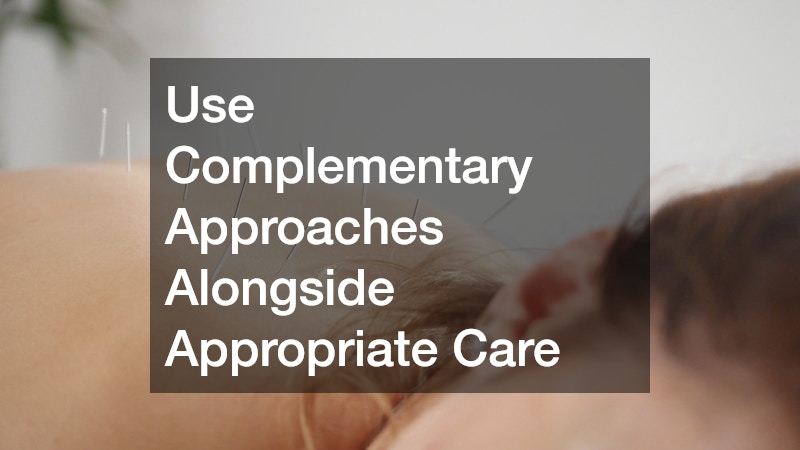
People sometimes explore complementary approaches as part of a broader wellness or recovery strategy. These services may be used to support relaxation, comfort, or other personal health goals, but they should be considered thoughtfully and in conjunction with appropriate medical care.
Acupuncture treatment is one complementary approach some individuals consider for particular health or wellness goals. Anyone considering it should first discuss the approach with relevant healthcare professionals, particularly if they have ongoing medical concerns or take medications.
Before scheduling treatment, consider:
- The practitioner’s education and credentials.
- Whether appropriate hygiene and safety practices are followed.
- How the provider evaluates individual needs.
- What the treatment is intended to accomplish.
- How many sessions may be recommended.
- What potential side effects or risks should be understood.
Patients should also pay attention to how they respond. If symptoms worsen or an unexpected reaction occurs, communicating with an appropriate healthcare professional is important. Complementary services can be part of a broader approach to wellness without replacing necessary medical evaluation.
Improve Oral Health With Modern Treatment Options
Oral health plays an important role in comfort, nutrition, appearance, and quality of life. Regular dental care can help identify problems early, while specialized treatment may be appropriate when alignment, structural, or surgical concerns arise.
Clear aligners may be an option for certain patients who want to address specific tooth-alignment concerns. Candidacy depends on factors such as the nature of the alignment issue, bite, oral health, and treatment goals. A dental professional can determine whether this approach is appropriate.
Patients considering orthodontic treatment should:
- Complete a professional dental evaluation.
- Understand the expected treatment timeline.
- Ask about alternative treatment options.
- Follow instructions for wearing aligners.
- Remove and clean aligners as directed.
- Maintain consistent brushing and flossing.
- Attend scheduled progress appointments.
Some conditions require a different type of intervention. Oral surgery may be recommended for certain impacted teeth, jaw-related concerns, complex extractions, or other situations that cannot be adequately addressed through routine dental treatment.
Before a surgical procedure, patients should understand the reason for treatment, recovery expectations, dietary restrictions, activity limitations, and follow-up requirements. Preparing questions in advance can make it easier to understand the procedure and what will be expected afterward.
Make Wellness Services Part Of A Thoughtful Routine
Wellness and appearance-focused services can also be part of an individual’s personal care routine. However, consumers should distinguish elective services from treatment intended to address a medical condition.
A medi spa may provide services focused on skin care, appearance, or other elective wellness goals. Because treatments can vary considerably, prospective clients should investigate exactly what is being offered and who will perform it.
Before choosing a provider, ask:
- What qualifications does the person performing the service have?
- What does the treatment involve?
- What results are realistically expected?
- Are there potential side effects?
- Is maintenance or more than one treatment required?
- What should be avoided before or after treatment?
- What happens if an unexpected reaction occurs?
Providing complete information about relevant medications and health circumstances can also help a provider determine whether a particular elective service is appropriate. When a concern appears medical rather than cosmetic, evaluation by the appropriate healthcare professional should take priority.
Coordinate Services Instead Of Managing Them Separately
When several professionals become involved in a person’s care, organization becomes increasingly important. Patients may otherwise struggle to remember recommendations, medications, appointment dates, or follow-up instructions.
A simple personal healthcare record can include:
- Current medications and dosages.
- Allergies and known reactions.
- Major procedures and treatment dates.
- Names and contact information for providers.
- Upcoming appointments.
- Treatment recommendations.
- Questions to discuss at the next visit.
- Copies of important medical documentation.
Patients should also ask whether providers need to communicate with one another. When multiple professionals are involved, appropriate coordination can reduce confusion and help ensure that each provider has relevant information.
Technology can make this easier. Digital calendars can track appointments, while secure patient portals may provide access to records and instructions. A paper folder can work just as well for people who prefer physical documentation.
Know When To Seek Additional Professional Guidance
One of the most valuable healthcare skills is recognizing when a situation has moved beyond routine self-care. People sometimes delay professional evaluation because they hope symptoms will resolve on their own. While some minor concerns may improve without intervention, persistent or worsening symptoms deserve attention.
Seek appropriate professional guidance when:
- Symptoms persist or repeatedly return.
- Pain interferes with normal activities.
- An injury affects movement or daily function.
- A medication causes an unexpected reaction.
- Recovery is progressing differently than expected.
- A mental health or substance use concern is interfering with everyday life.
- Dental pain, swelling, or other oral symptoms become significant.
- A healthcare professional recommends additional evaluation.
For emergencies, individuals should use emergency medical services or seek emergency care rather than waiting for a routine appointment.
Turn Individual Services Into A Long-Term Recovery Strategy
The most effective approach to health is often one that combines immediate treatment with long-term planning. A single appointment may address an immediate concern, but lasting progress often depends on what happens afterward.
Patients can strengthen their long-term strategy by setting realistic goals, following treatment recommendations, attending follow-up appointments, and communicating openly when something is not working. They should also periodically reassess whether their current care continues to meet their needs.
Preventive habits matter, too. Maintaining appropriate dental care, staying active within personal limitations, taking medications as directed, managing stress, and keeping regular appointments can all contribute to better health management.
Ultimately, seeking professional help does not have to mean waiting until a problem becomes severe. Understanding available services, preparing for appointments, asking informed questions, and keeping healthcare information organized can help people take a more active role in their health and recovery.
Health and recovery are highly individual experiences, and the right support can change as circumstances evolve. From routine care and rehabilitation to dental services, mental health support, and wellness options, different professionals can address different aspects of a person’s needs.
The most important step is to approach healthcare decisions thoughtfully. Choosing qualified providers, understanding treatment recommendations, following recovery instructions, and communicating concerns can help people navigate challenges with greater confidence. A coordinated, proactive approach can ultimately support better health management and long-term well-being.