
Your body at fifty doesn’t respond the same way it did at twenty five, and pretending otherwise often leads to frustration, injury, or slow burnout. The good news is that aging doesn’t have to mean giving up activity, comfort, or independence. It simply means adjusting your approach to match what your body actually needs right now. This article walks through the key wellness areas worth paying attention to as the years add up, so you can make informed choices instead of guesswork.
How Aging Changes Your Body’s Wellness Needs
As people move through their thirties, forties, and beyond, muscle mass naturally declines, joints lose some cushioning, and recovery from everyday activity takes longer than it used to. Research suggests adults can lose 3 to 8 percent of muscle mass per decade after thirty, a process called sarcopenia that accelerates further after age sixty. At the same time, cartilage between joints thins and metabolism slows, meaning the same workout or weekend hike that once left you refreshed the next day might now require two or three days to fully bounce back from.
These shifts happen gradually, which is why many people don’t notice until a nagging ache becomes a regular visitor or a familiar exercise suddenly feels harder than it should. Sleep patterns, hormone levels, and even hydration needs shift quietly in the background too, compounding the effect.
Understanding that these changes are normal, rather than a sign of something being wrong, helps take the anxiety out of the process. The goal isn’t to fight aging but to work with it intelligently, adjusting expectations and routines as your body’s baseline shifts.
A useful first step is simply paying closer attention to your own patterns. Do certain movements—like climbing stairs, bending to tie your shoes, or lifting groceries—cause more discomfort than they used to? Are you more tired after activities that once felt easy, or does soreness linger for two or three days instead of fading overnight?
Keeping a simple log, whether a notebook entry or a notes app on your phone, can help you spot trends you might otherwise dismiss as one-off bad days. Note things like sleep quality, recovery time after exercise, joint stiffness in the morning, and energy levels throughout the week. Patterns that show up repeatedly, especially after age 40 or 50 when recovery naturally slows, are worth discussing with a doctor or physical therapist.
Tracking these small signals early makes it easier to address problems before they become chronic. Catching a nagging shoulder ache or persistent fatigue in its early stages often means the difference between a quick fix, like adjusting your workout routine, and a long-term issue that requires more intensive treatment.
Managing Joint Health and Mobility
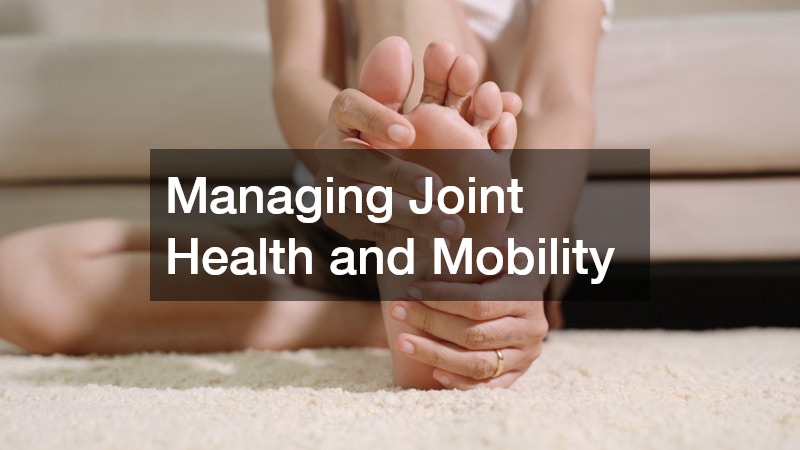
Joint discomfort is one of the most common complaints as people age, and it often shows up first in the knees, hips, and lower back. Cartilage naturally thins over time, and years of repetitive movement or old injuries can catch up eventually. An orthopedic specialist can help identify whether discomfort stems from wear and tear, structural issues, or something more treatable, and can recommend a path forward that fits your lifestyle. Getting an accurate diagnosis early often prevents small issues from turning into bigger limitations later.
Back pain deserves particular attention because it affects nearly every daily activity, from lifting groceries to simply standing at the sink. Weak core muscles, poor posture habits built over decades, and disc changes all contribute to this common complaint. Addressing it usually requires a combination of strengthening exercises, posture awareness, and sometimes professional evaluation rather than relying on painkillers alone.
- Warm up before activity, even for simple household tasks
- Avoid sitting in one position for extended periods
- Strengthen supporting muscles around vulnerable joints
- Seek evaluation if pain lasts longer than a few weeks
Caring for Your Feet as You Age
Feet take a beating over a lifetime, and the fatty padding that once cushioned every step gradually thins with age, sometimes losing up to half its original thickness by your sixties. This makes conditions like heel pain far more noticeable, especially first thing in the morning or after long periods of standing or walking on hard surfaces.
Proper plantar fasciitis treatment often includes calf and arch stretching routines, supportive footwear with good arch support, and sometimes custom orthotics designed to redistribute pressure away from the inflamed area. Night splints and targeted icing after activity can also speed recovery for more stubborn cases.
Ignoring foot pain rarely makes it go away on its own, and it can quietly change the way you walk. Favoring one foot or shortening your stride shifts weight unnaturally, which puts extra strain on the knees, hips, and lower back over time. Regular foot checks, well-fitted shoes, and addressing pain early can prevent these small changes from becoming bigger mobility problems down the road.
Choosing supportive shoes for daily wear, rather than saving comfort for exercise only, makes a noticeable difference over time. Look for features like a cushioned insole, a firm heel counter, and arch support that matches your foot type, since flat, unsupportive shoes can contribute to heel pain, bunions, and even balance issues as feet lose natural padding with age.
Replacing worn-out footwear regularly, even when it still looks fine, also helps maintain proper support where it matters most. A good rule of thumb is to replace walking or athletic shoes every 300 to 500 miles, or roughly every 6 to 12 months for regular wear, since worn tread and compressed cushioning quietly reduce shock absorption long before shoes appear damaged.
Keeping Your Spine Aligned and Strong

Spinal alignment naturally shifts with age, often influenced by years of desk work, driving, or simply favoring one side of the body without realizing it. Many people find relief through regular visits to chiropractors, who focus on restoring proper alignment and reducing nerve irritation that can radiate discomfort into the arms, legs, or head. This approach works especially well alongside strength training, since a stronger core helps maintain the adjustments between visits.
Posture habits built over a lifetime are hard to break, but small corrections add up significantly. Adjusting your workstation height, being mindful of phone posture, and taking movement breaks throughout the day all support spinal health without requiring major lifestyle changes.
- Set a timer to stand and stretch every hour during desk work
- Sleep with proper pillow support for your neck’s natural curve
- Avoid carrying heavy bags on one shoulder repeatedly
Staying Active with Guided Fitness
Exercise remains one of the most powerful tools for healthy aging, but the type of exercise that serves you well often changes over time. Working with personal trainers who understand age related considerations can make a significant difference, since they can design programs that build strength without overloading vulnerable joints. This kind of guidance is particularly valuable for people returning to exercise after a long break or managing a chronic condition.
Strength training deserves special emphasis because muscle loss accelerates noticeably after age forty if left unaddressed. Resistance exercises, even with light weights or resistance bands, help preserve the muscle mass needed for balance, everyday tasks, and injury prevention. Consistency matters more than intensity, so shorter, regular sessions typically outperform occasional intense workouts.
Recovering from Injury and Rebuilding Strength
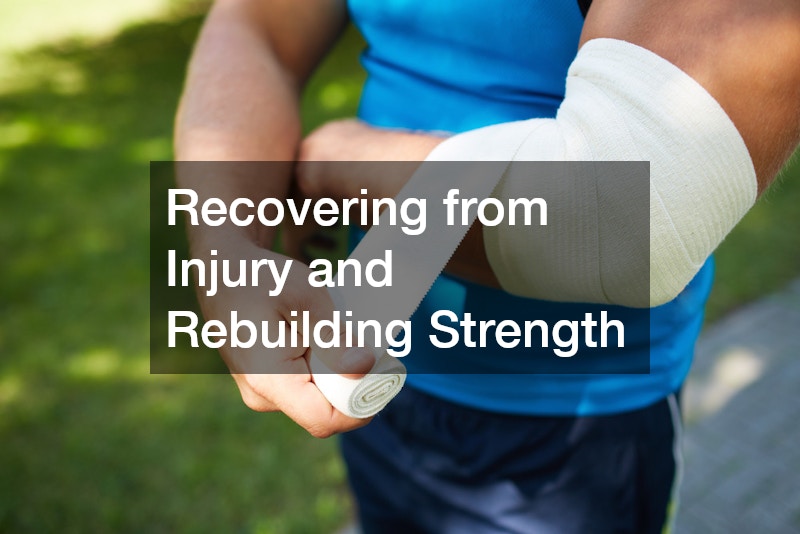
Injuries that once healed quickly can take considerably longer to resolve as the body ages, and the recovery process itself becomes more important than ever. Physical therapy offers a structured way to regain strength and range of motion after surgery, injury, or a flare up of chronic pain. A good therapist tailors exercises to your specific limitations rather than applying a generic recovery plan, which speeds progress and reduces the risk of reinjury.
Rehabilitation isn’t only for major injuries either. Many people benefit from short term therapy sessions to correct movement patterns that have quietly caused strain for years, even without a specific injury triggering the visit.
- Follow through with prescribed home exercises between sessions
- Communicate honestly about pain levels during rehabilitation
- Don’t rush back to full activity before clearance from your provider
Protecting Your Hearing Over Time
Hearing loss tends to develop so gradually that many people don’t notice until family members point out the volume on the television or repeated requests to repeat conversations. In fact, research suggests it takes an average of five to seven years from the first signs of hearing trouble to actually seeking treatment. By age 65, roughly one in three adults experiences some degree of hearing loss, making it one of the most common—yet most overlooked—health changes tied to aging.
Left unaddressed, hearing difficulties can contribute to social withdrawal and even cognitive decline over time, since the brain works harder to fill in missing sounds. Straining to hear conversations can also lead to mental fatigue, irritability, and a tendency to avoid group settings like restaurants or family gatherings altogether. Some studies have even linked untreated hearing loss to a higher risk of falls, possibly because auditory cues help with spatial awareness and balance.
Routine hearing screenings, ideally every few years after age 50, can catch subtle changes before they interfere with daily life. Modern hearing aids have become far smaller, smarter, and more comfortable than older models, often adjusting automatically to different environments like restaurants or outdoor settings. Many now offer Bluetooth connectivity for streaming phone calls or music, rechargeable batteries that last a full day, and app-based controls that let users fine-tune settings discreetly from a smartphone.
Getting a baseline hearing test in your forties or fifties, even without noticeable symptoms, establishes a helpful reference point for tracking changes later. Audiologists typically measure hearing across frequencies ranging from 250 Hz to 8000 Hz, and having that initial snapshot makes it much easier to spot subtle shifts, such as a 10-decibel drop, that might otherwise go unnoticed for years.
Early detection generally leads to easier, less disruptive treatment options down the road. Catching hearing loss in its early stages often means simpler interventions, like minor lifestyle adjustments or entry-level hearing aids, rather than more significant accommodations later.
It’s also worth scheduling follow-up tests every three to five years, or sooner if you notice warning signs like ringing in the ears, frequently asking others to repeat themselves, or turning up the television volume more than usual. Regular exposure to loud environments, whether from concerts, power tools, or heavy traffic, can accelerate hearing decline, so those with such exposure may benefit from annual checkups instead.
Balancing Hormones for Long-Term Health

Hormonal shifts affect far more than reproductive health, influencing energy levels, mood, sleep quality, and even bone density as people age. Many men and women experience noticeable changes in their forties and fifties, ranging from hot flashes to unexplained fatigue and reduced muscle recovery. Hormone replacement therapy has helped many people restore balance and reclaim energy, though it requires careful monitoring and an honest conversation with a qualified provider about individual risks and benefits.
Symptoms of hormonal imbalance often overlap with normal aging complaints, which makes proper testing valuable before assuming discomfort is simply something to live with. Blood work can reveal whether hormone levels are actually contributing to the issue, guiding a more targeted treatment plan.
Skin and Aesthetic Wellness in Later Years
Skin changes are among the most visible signs of aging, as collagen production slows and sun damage accumulated over decades becomes more apparent. A visit to a med spa can offer options ranging from gentle skin treatments to more targeted services, all aimed at supporting skin health rather than chasing an unrealistic standard. These visits can also double as a chance to catch early skin concerns that might otherwise go unnoticed.
Beyond appearance, maintaining overall wellness later in life often means thinking ahead about support systems as needs increase. Exploring senior care options early, before they become urgent, allows families to make thoughtful decisions rather than rushed ones during a crisis. Comparing services, understanding costs, and involving loved ones in the conversation early reduces stress considerably down the line.
- Use sunscreen daily regardless of season or weather
- Stay hydrated to support skin elasticity from the inside out
- Discuss family history and future care preferences before they become urgent
Aging well isn’t about resisting change but responding to it thoughtfully, one area at a time. Small, consistent adjustments to how you move, eat, rest, and seek professional support add up to meaningful differences in comfort and independence over the years. Start with whichever area feels most pressing right now, whether that’s joint discomfort, hearing changes, or simply building a stronger fitness routine. Taking that first informed step today puts you in a much stronger position for the decades ahead.